Showing posts with label wildlife. Show all posts

Wednesday, November 26, 2014

Adobe Mountain Wildlife Center Auxiliary


The Adobe Mountain Wildlife Center Auxiliary is a place that receives wounded animals and animals that have been illegally raised by humans.  Once a year, they open up their facilities to the public.  This event took place last weekend.  I usually go to these things because wildlife interests me and it’s a way of seeing these animals up close as well as learning about them.  They had a really good turnout this year, it was very interesting, and I'll definitely keep an eye out for it next year.


They are located in north Phoenix and you can learn more about the Adobe Mountain Wildlife Center Auxiliary by visiting their website.


I took a lot of pictures, but most of them did not turn out very well due to the lighting, the animals moving a lot (there were a lot of birds) and, in the case of the reptiles, the glare of the glass from the cages they were in. 
 
The small animals and reptiles were the first little creatures I saw.  I saw a Pallid Bat, White-throated Woodrat, Common Kingsnake (I saw one of these in the wild when hiking once), Speckled Rattlesnake (I’ve seen – and heard – rattlesnakes while hiking a number of times), Gopher Snake, Western Diamondback Rattlesnake (most popular snake in Arizona), a Desert Rosy Boa, a Mohave Rattlesnake, and two Gila Monsters (I’ve seen these twice while hiking – they are the only venemous lizard in the United States and spend nearly all their time underground so it’s rare to see one in the wild). 
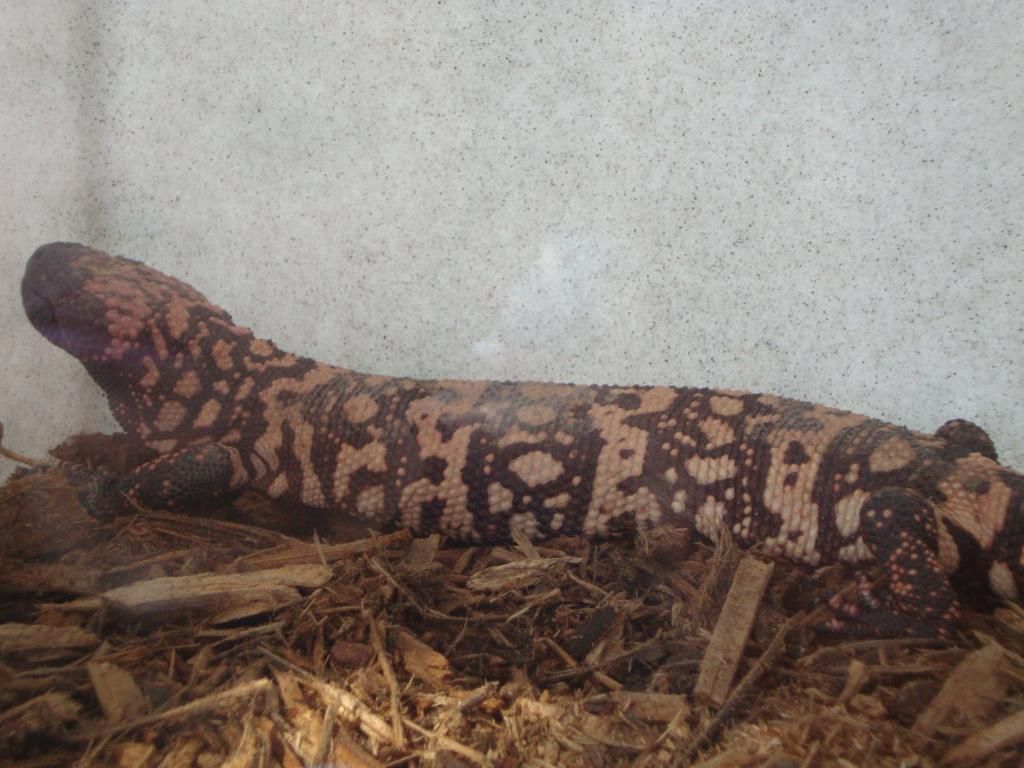

Gila Monster
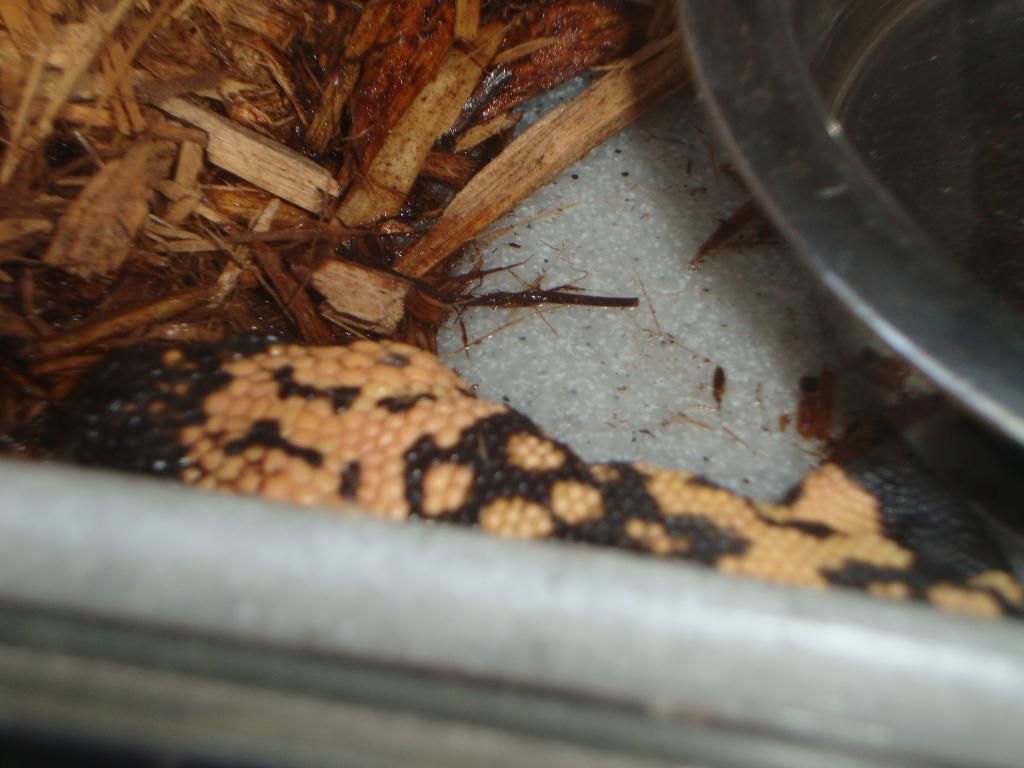


It's tough to see because he's in the corner of the cage, but this is a baby Gila Monster. 
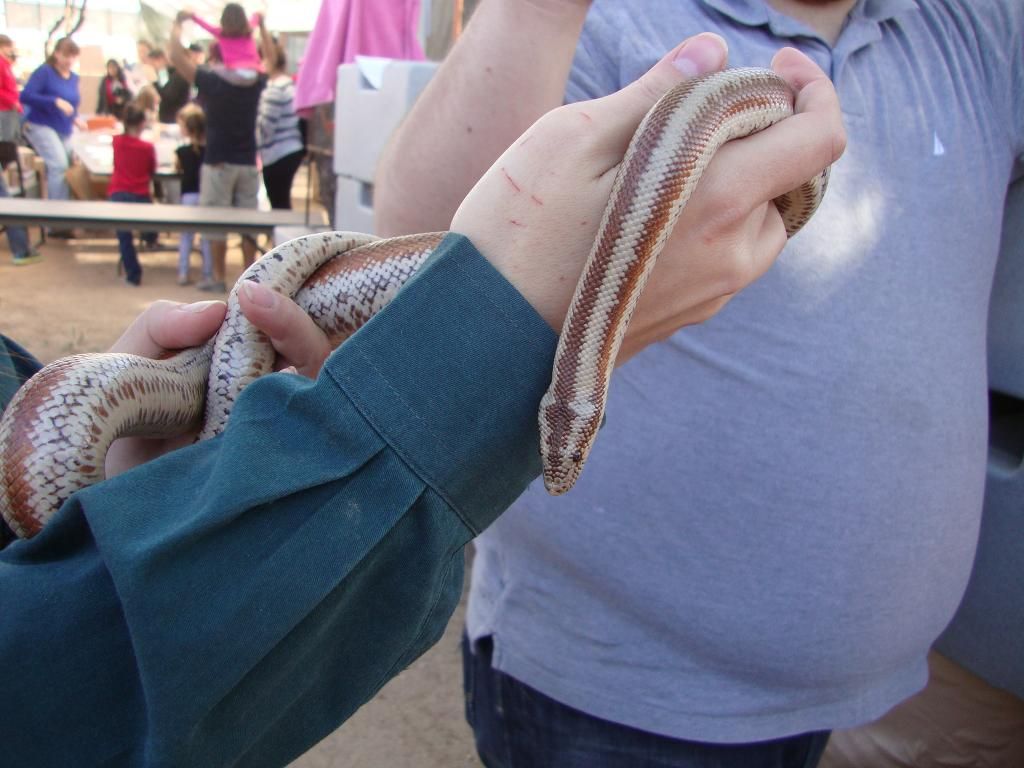

Desert Rosy Boa
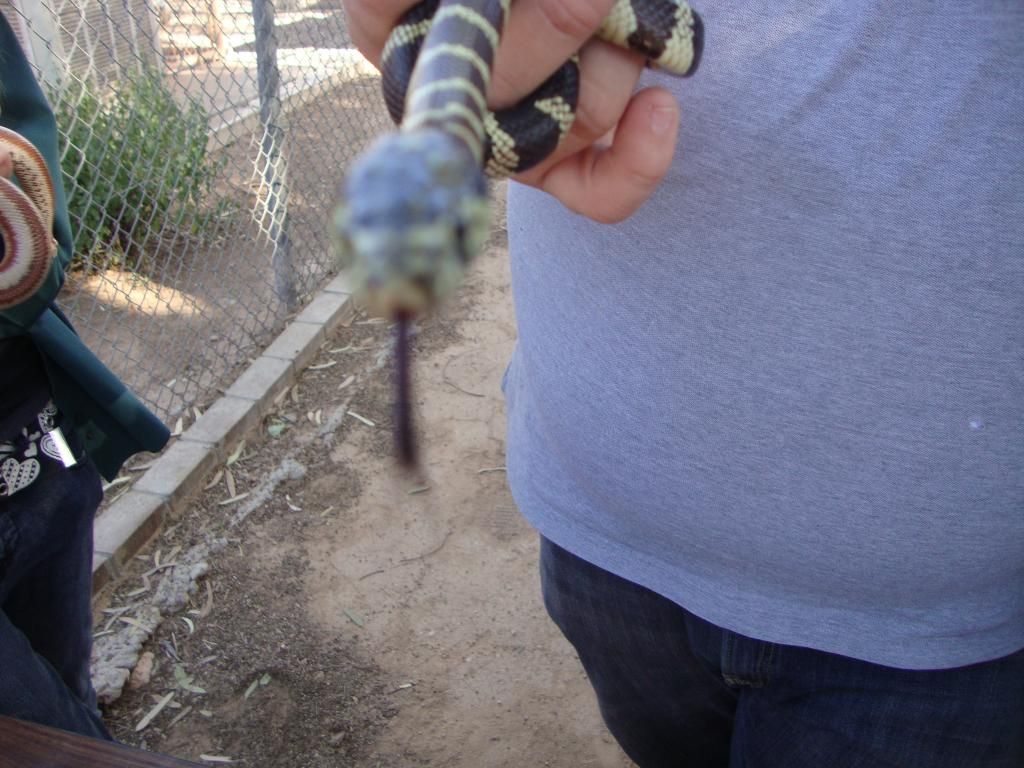

Common Kingsnake.  It's too bad his face is so blurry, or this would have been a good picture.

Next came the eagles, where I learned some really interesting information from the handler.
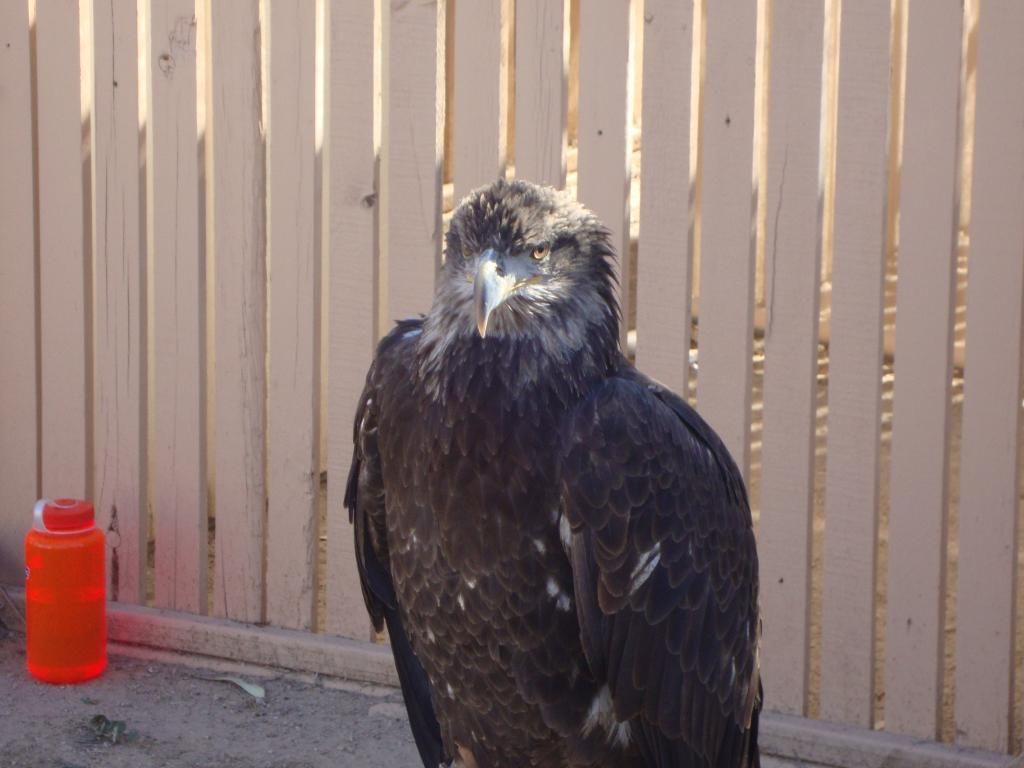

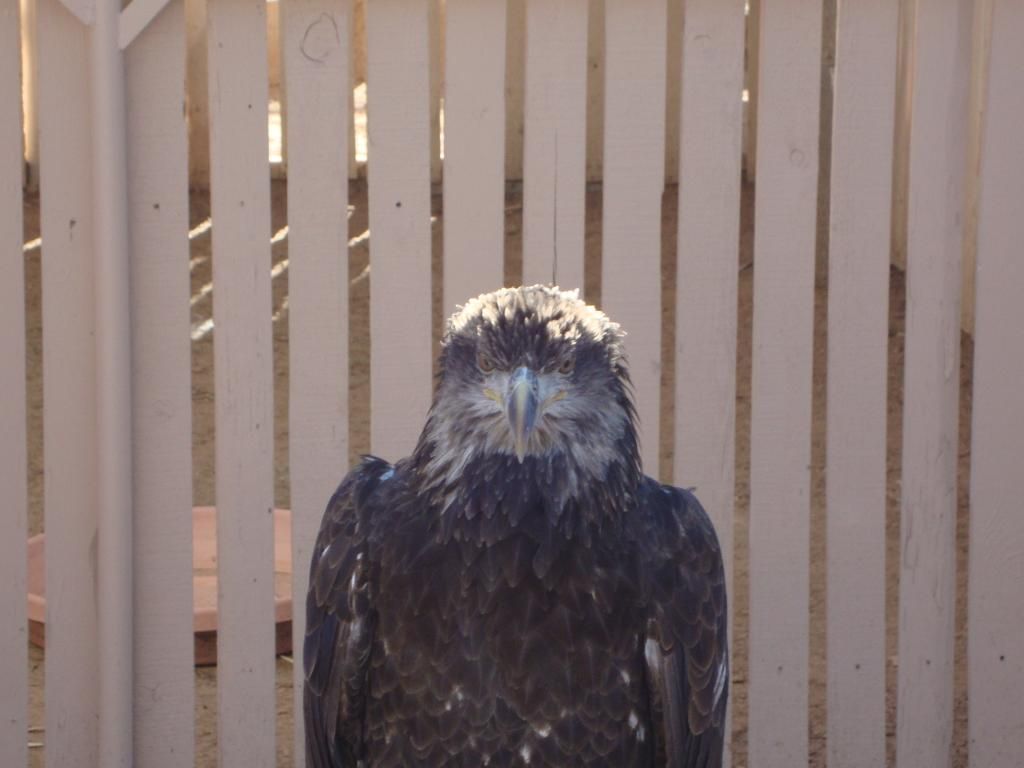
This is a Bald Eagle.  The reason his head isn’t white is due to his age.  He is only two years old.  The handler told me that it takes approximately four to five molting cycles before the feathers on their head turn white.  I hadn’t known that. 
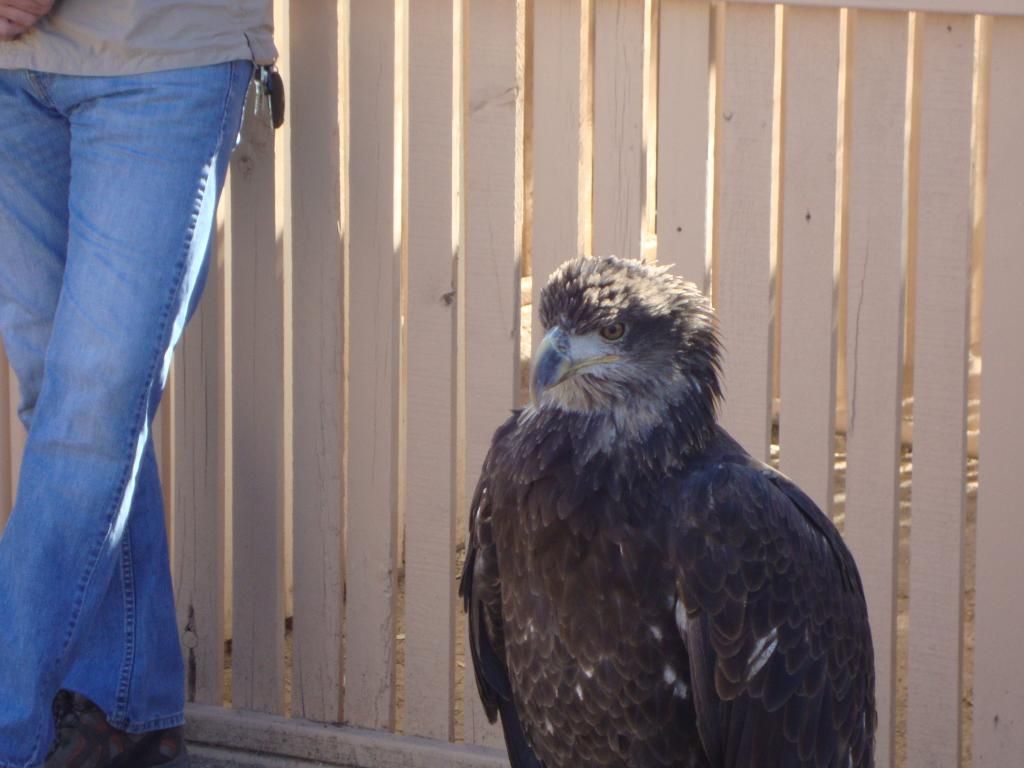


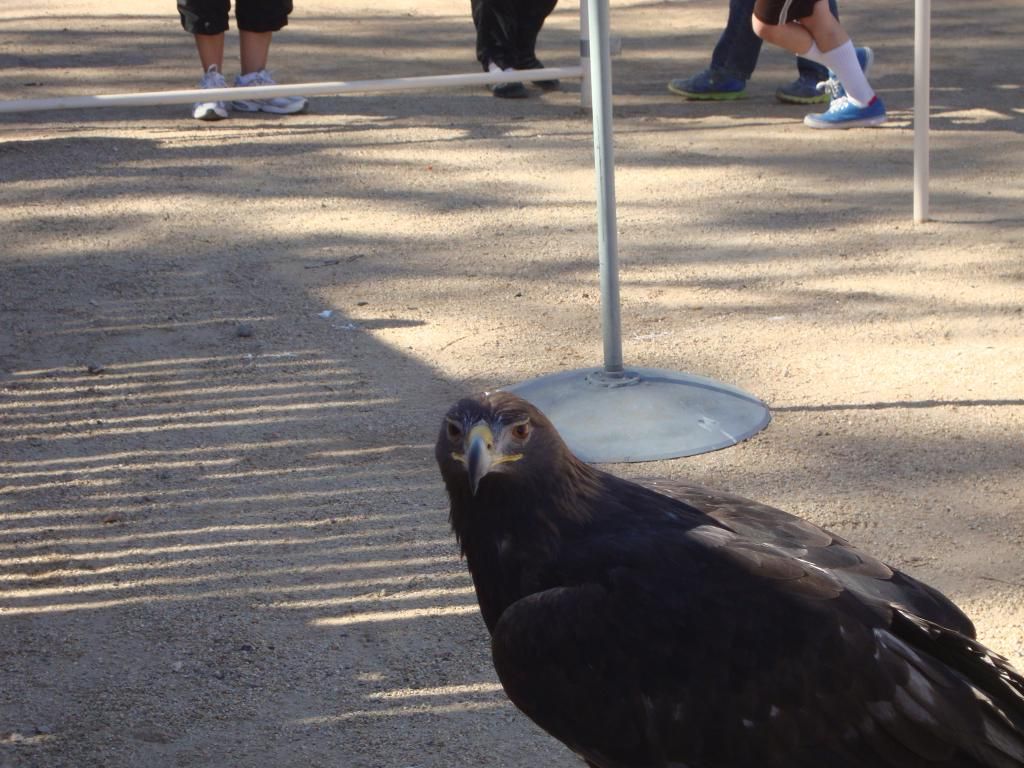
This is a Golden Eagle.  This little guy was hit by a car and, as a result, will never be able to be returned to the wild.  Most of the animals I saw today will not be able to be returned to the wild so they now act as ambassadors to educate the public.  The Golden Eagle can be found all over the world.
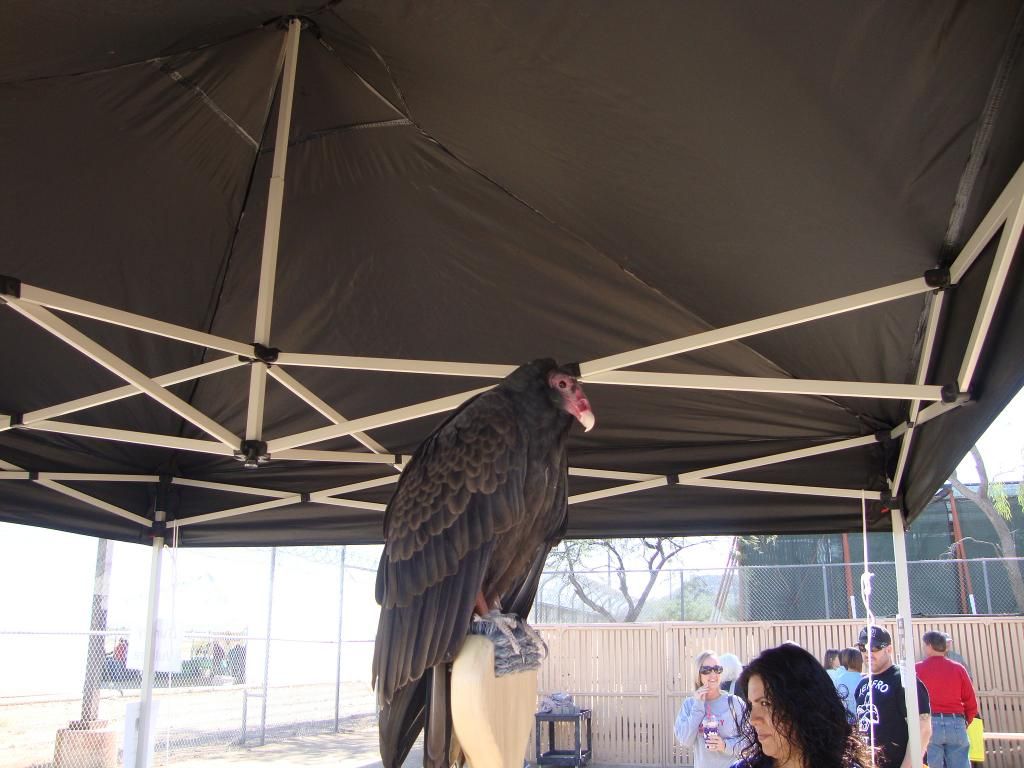

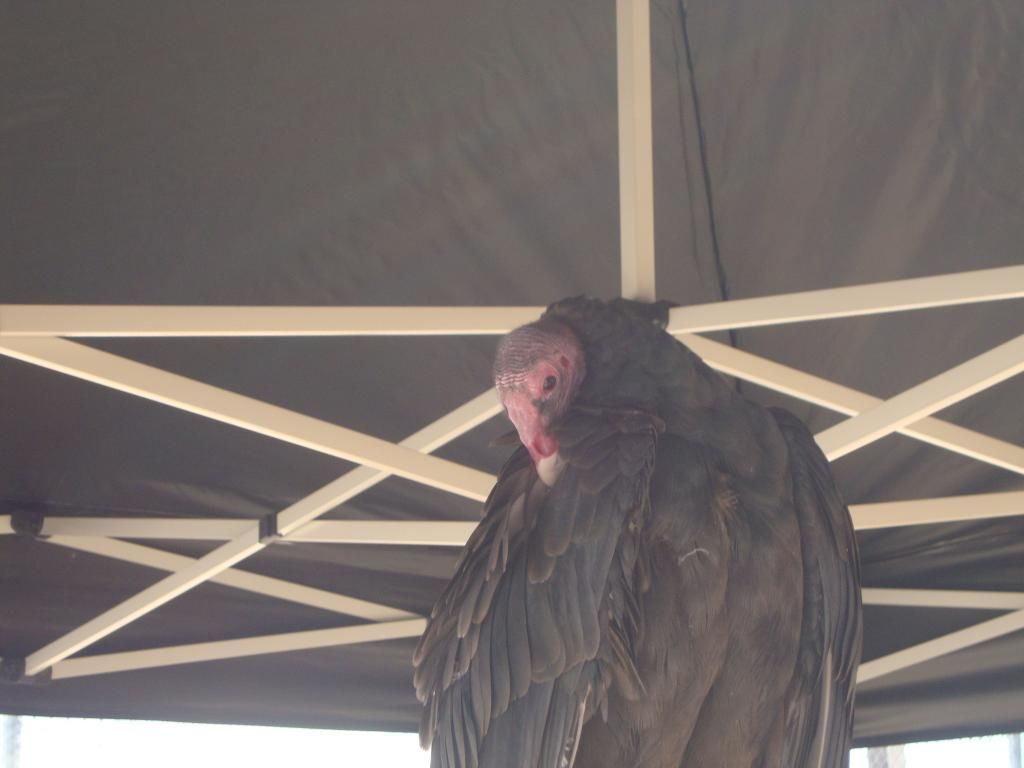
This is a Turkey Vulture.  They get a little bit of a bad rap because a lot of people think they’re ugly but they help keep the desert clean because, well, they are vultures.  And I think they are just as beautiful as any other bird!
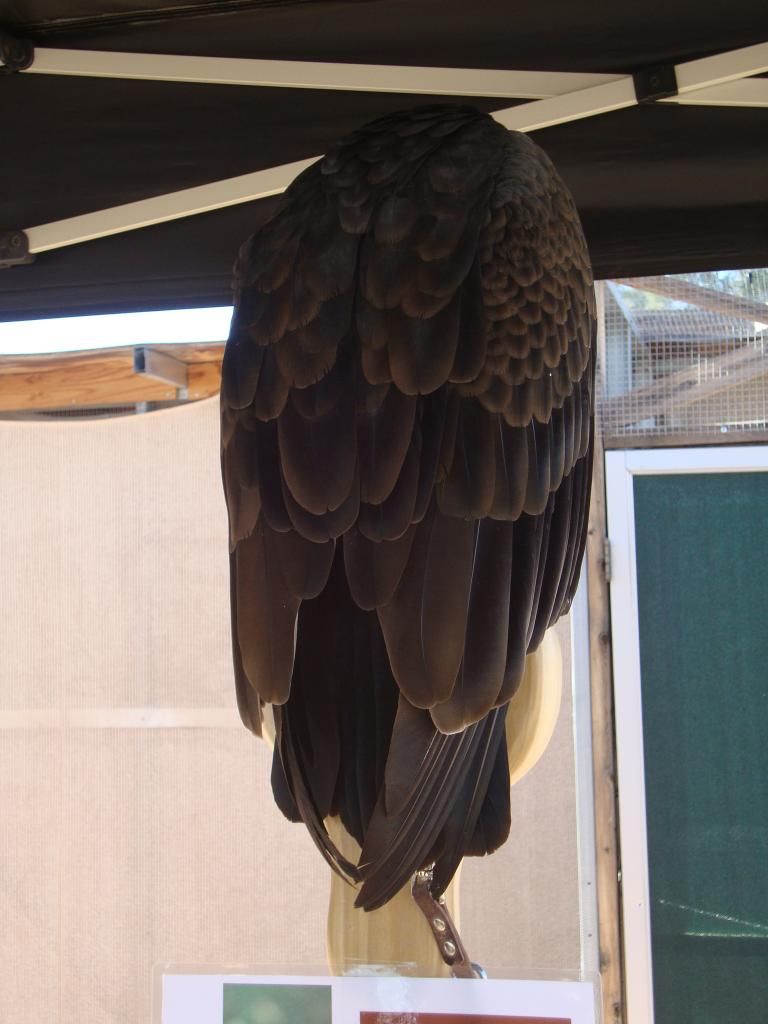
 

 This is the back of the Turkey Vulture.


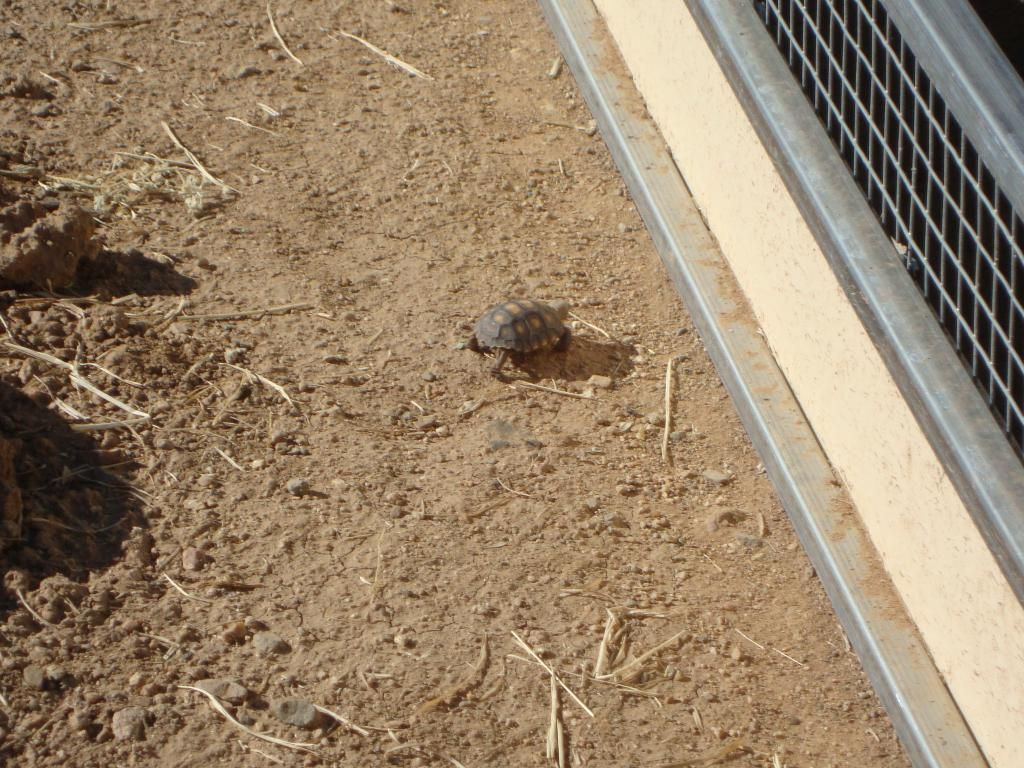
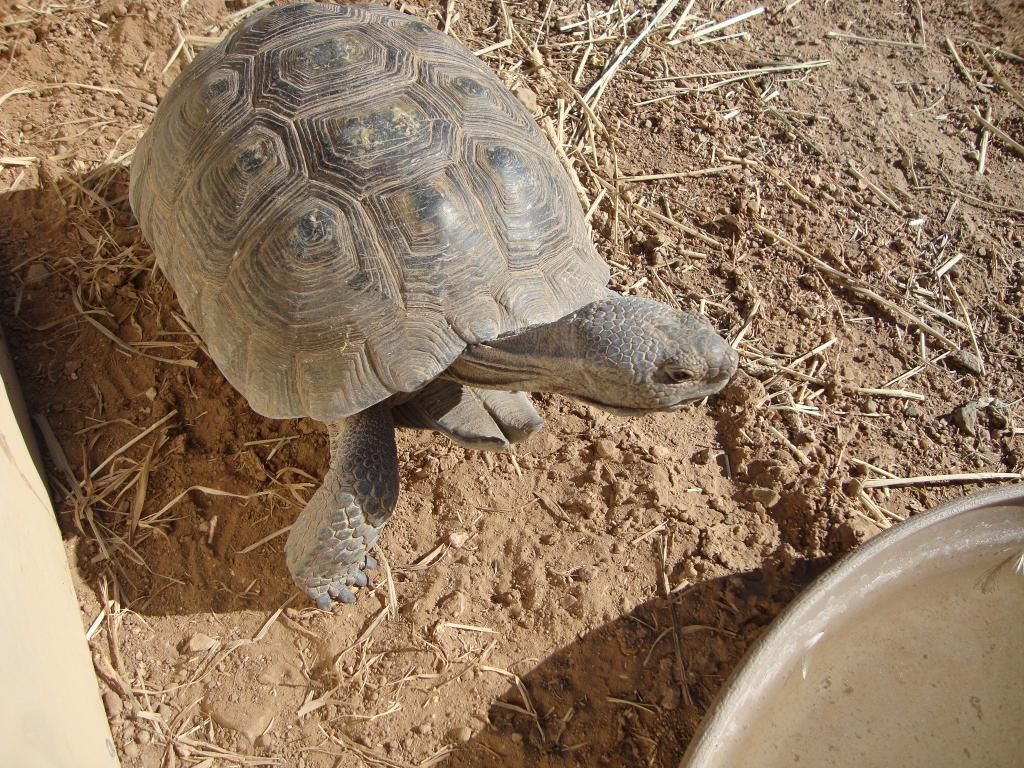
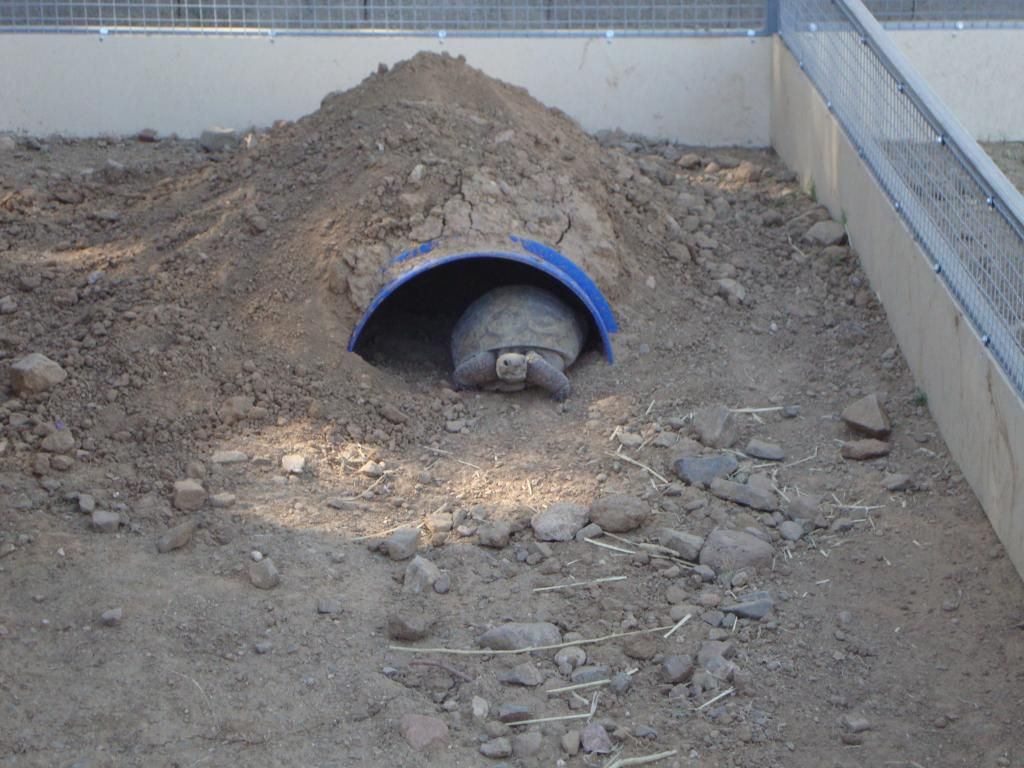
There were a number of turtles out there.
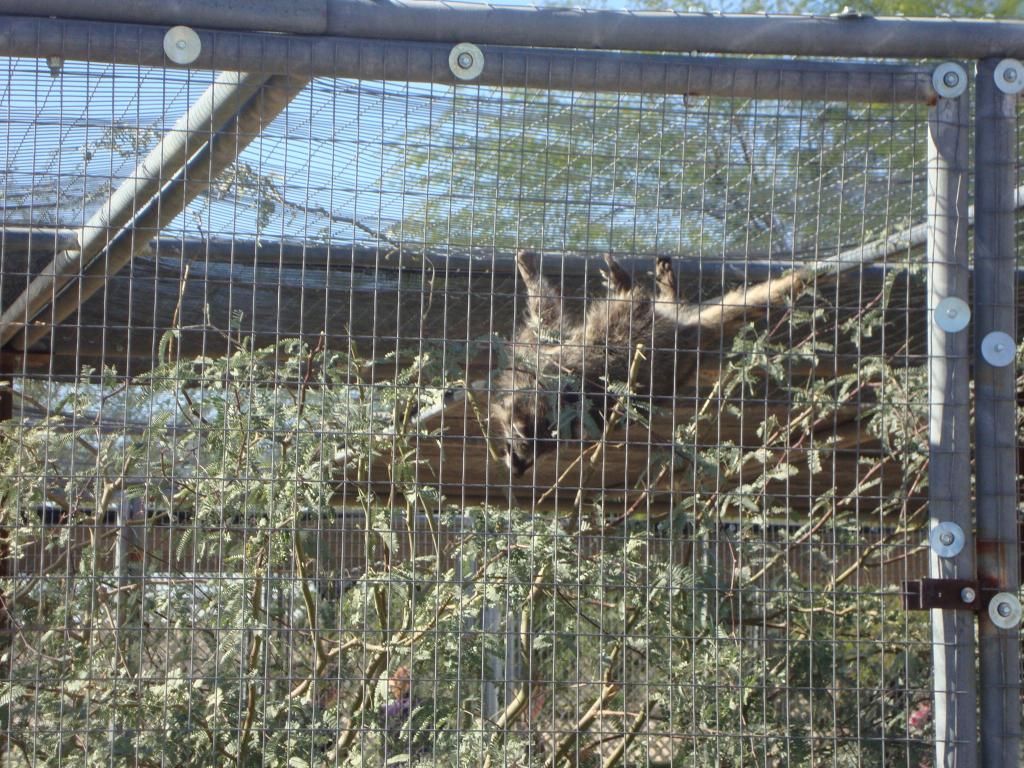


It’s a little tough to see, but this is a raccoon hanging upside down.  lol!
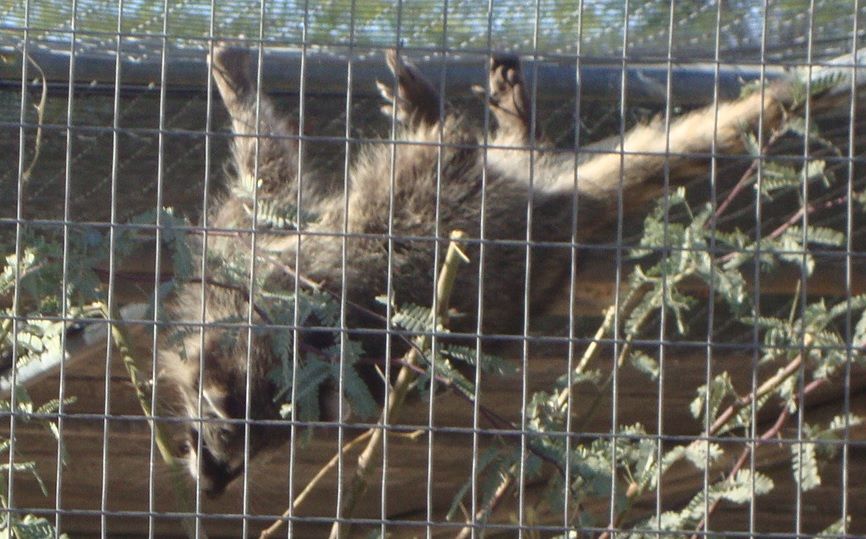
  
Here's the same picture zoomed in a bit.  You can see him a little bit better here.
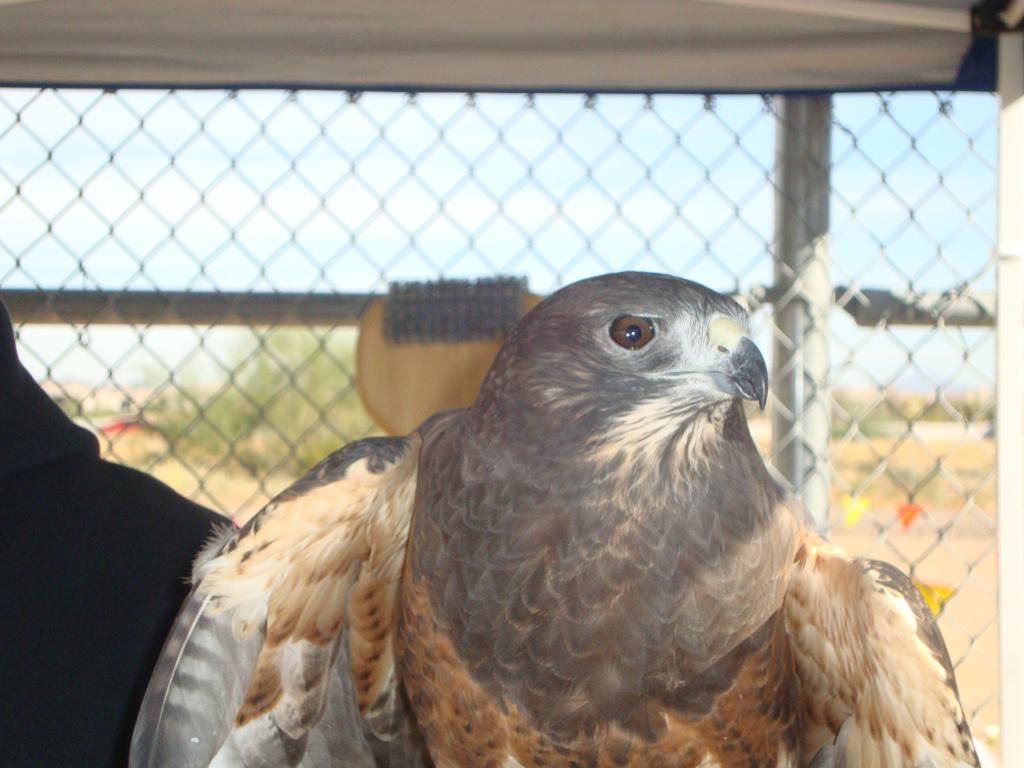

A Hawk.
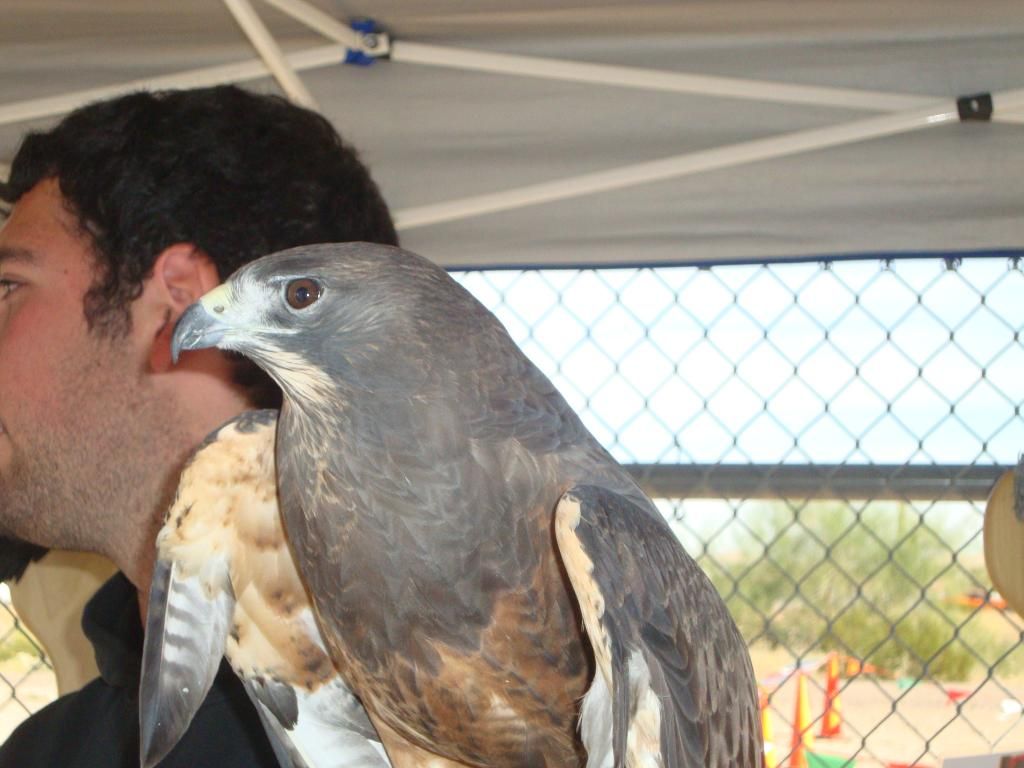


This little guy was just kind of hanging out. 
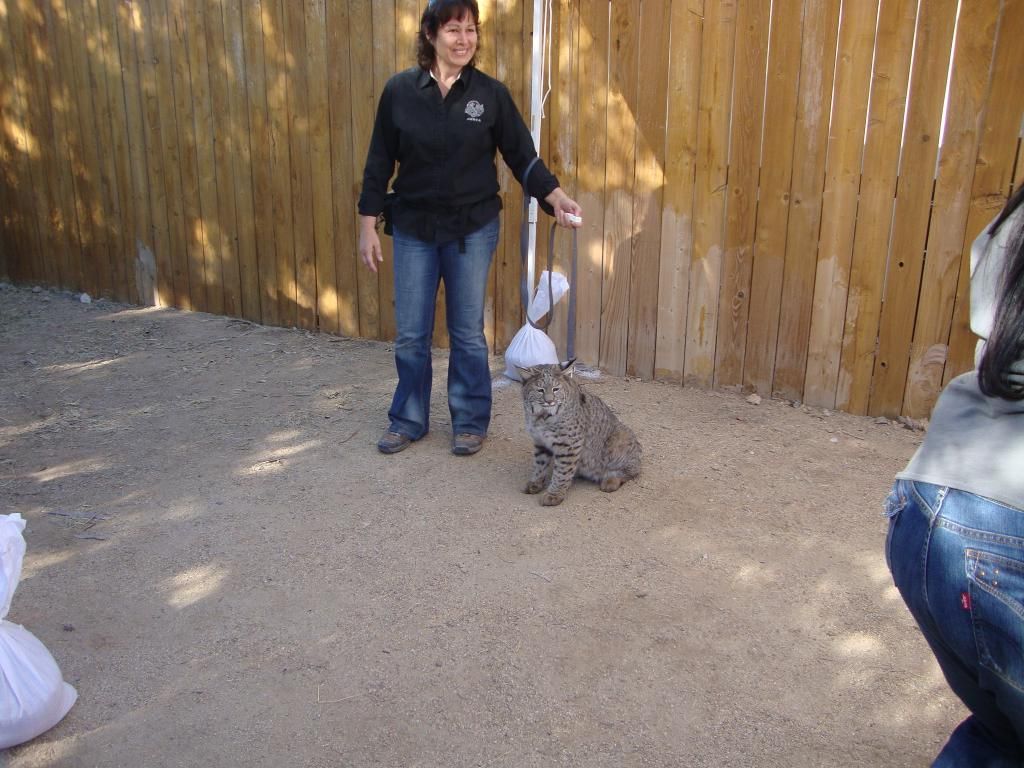


I believe the handler said this bobcat is approximately five years old. 
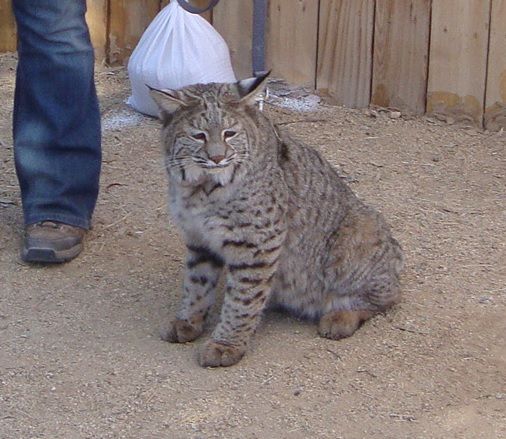


Another little guy just hanging out and taking it all in.
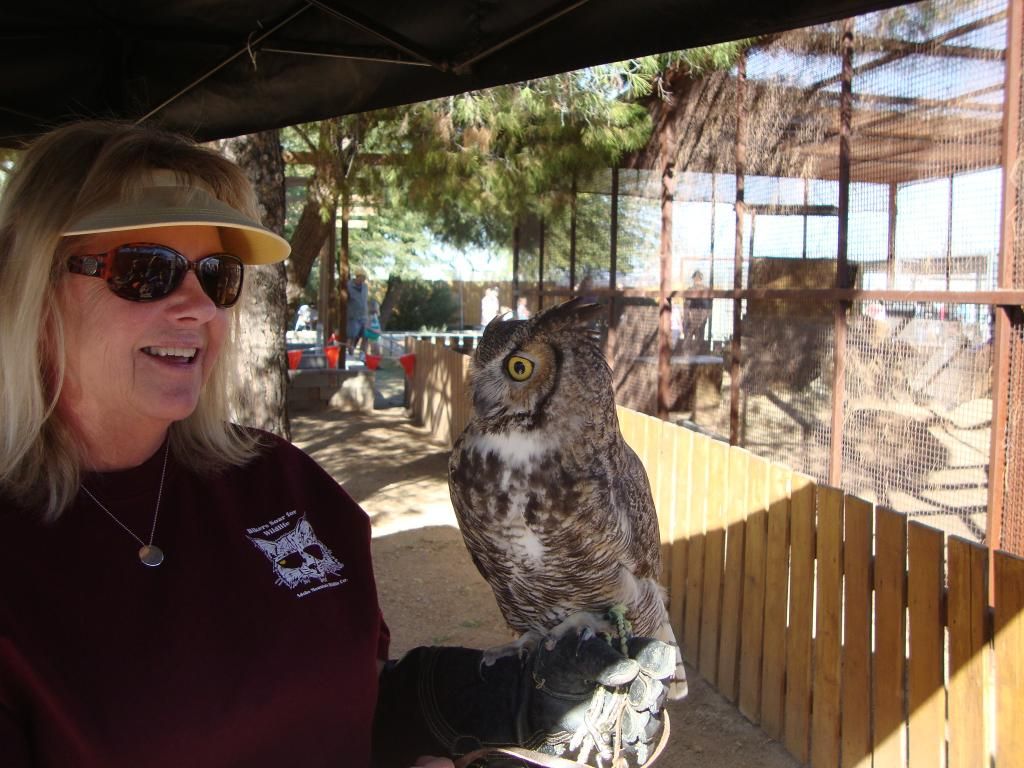
 

This is a Great-horned Owl.  Those eyes are just beautiful!
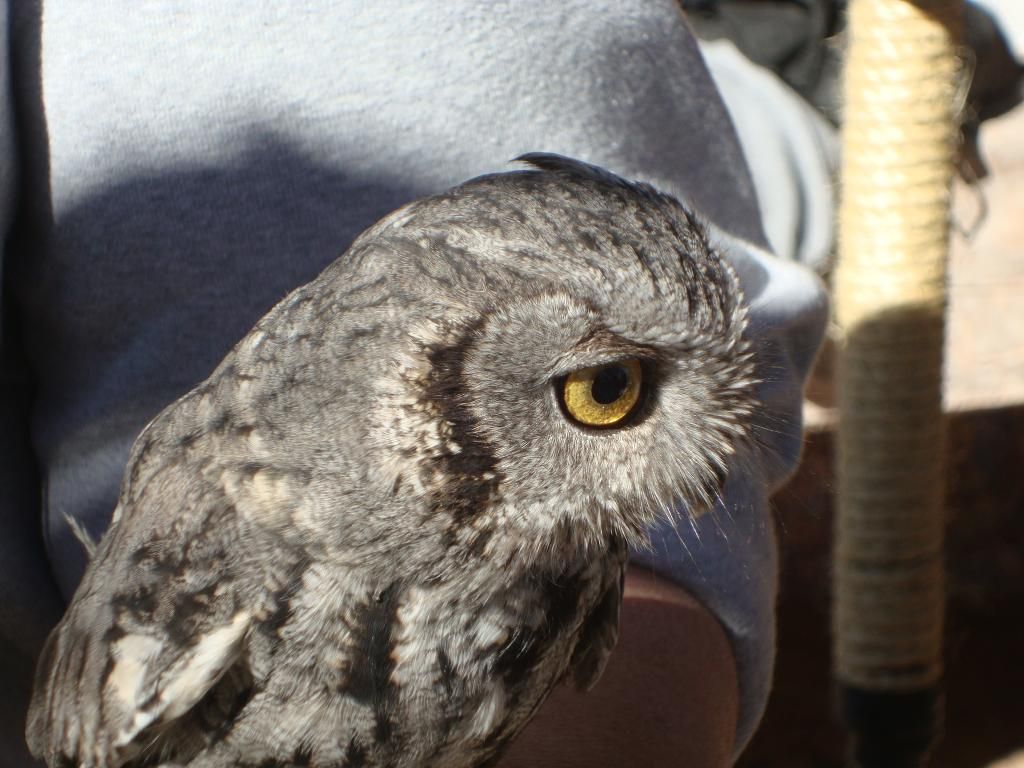

 
This is a Barn Owl.  
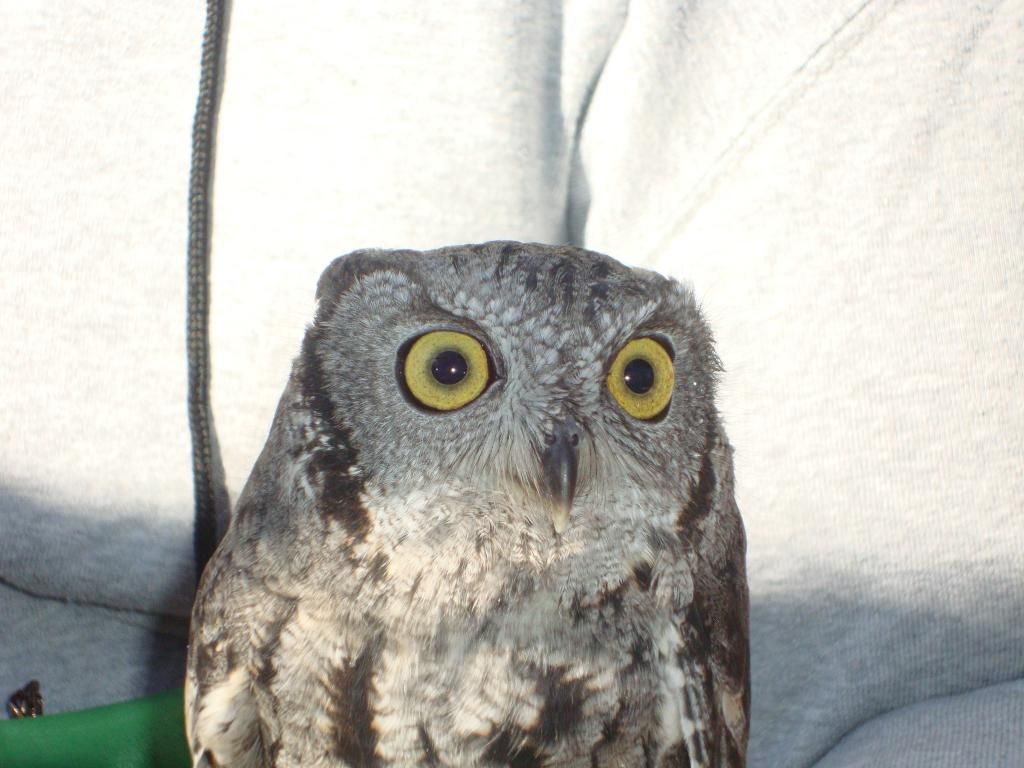

Here you can see his beautiful eyes.  There's also something amusing about this picture.
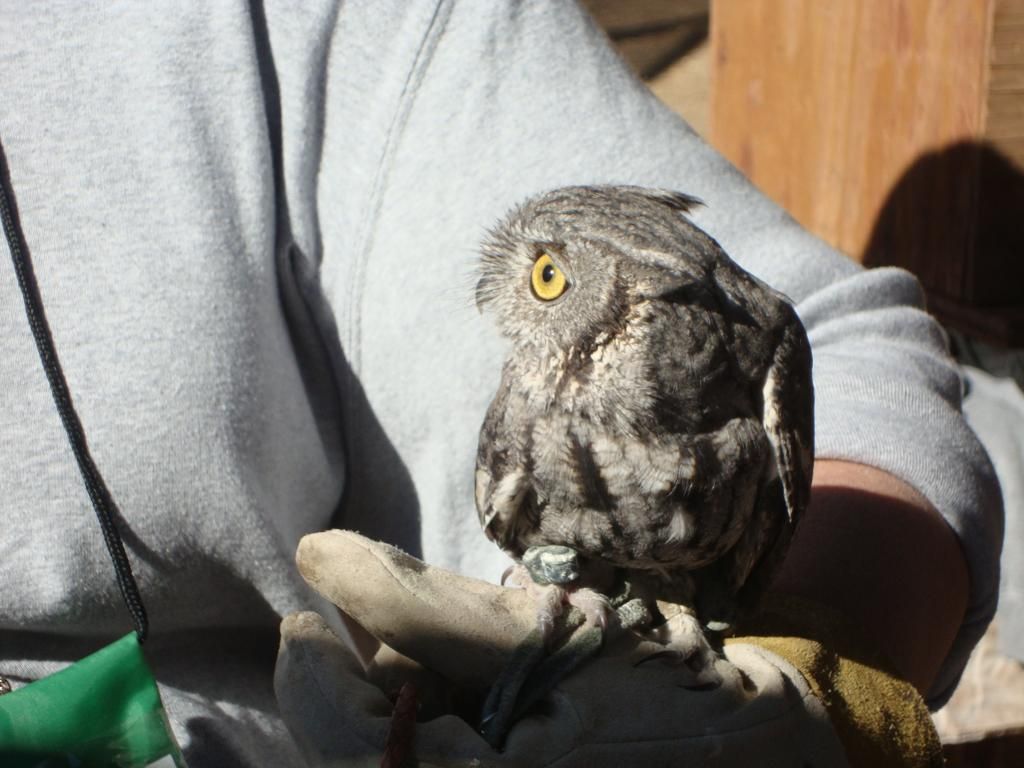


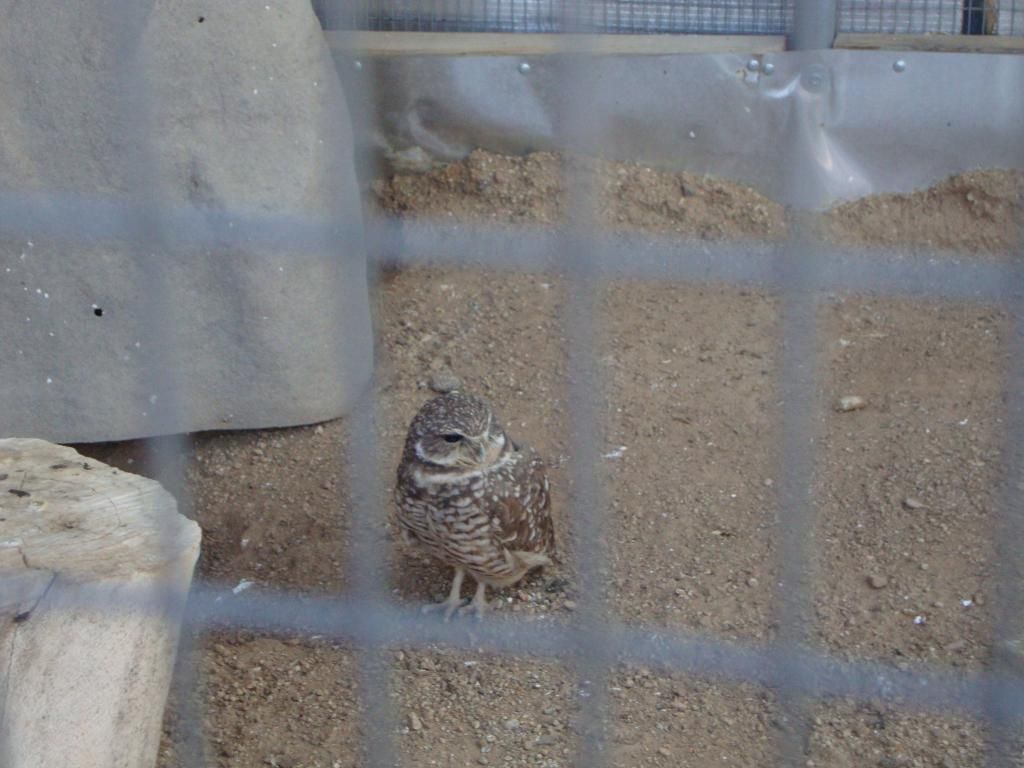
I'm not sure what kind of owl this is, but he sure is a cutie!
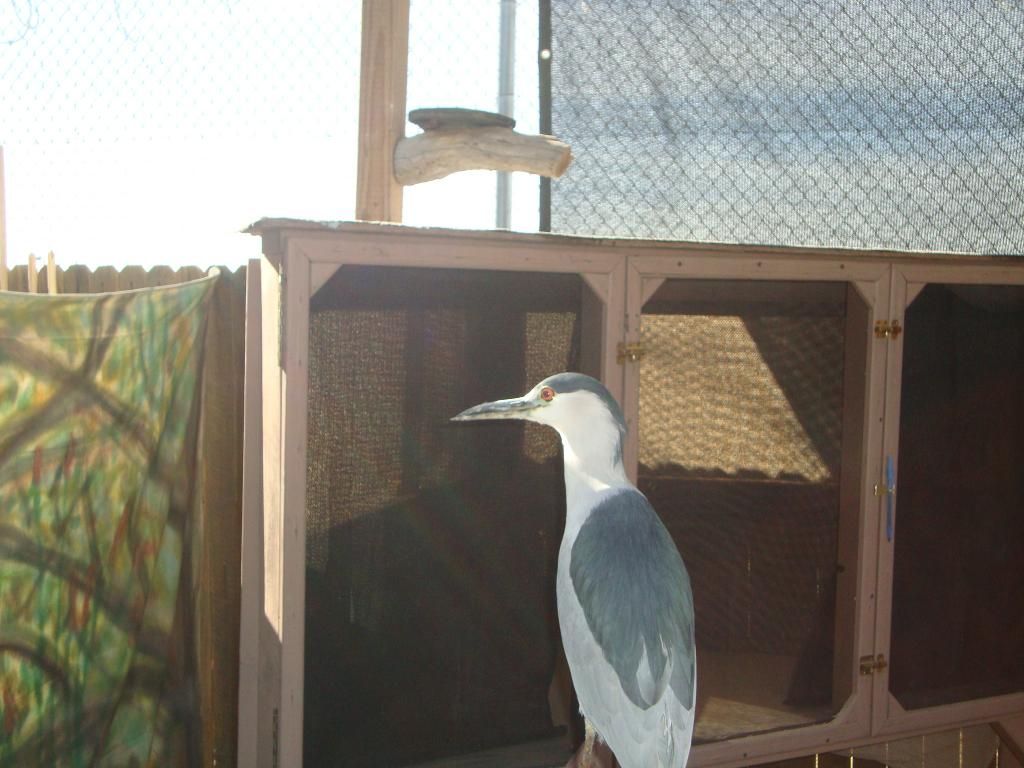


This is a Black-Crowned Night Heron. 
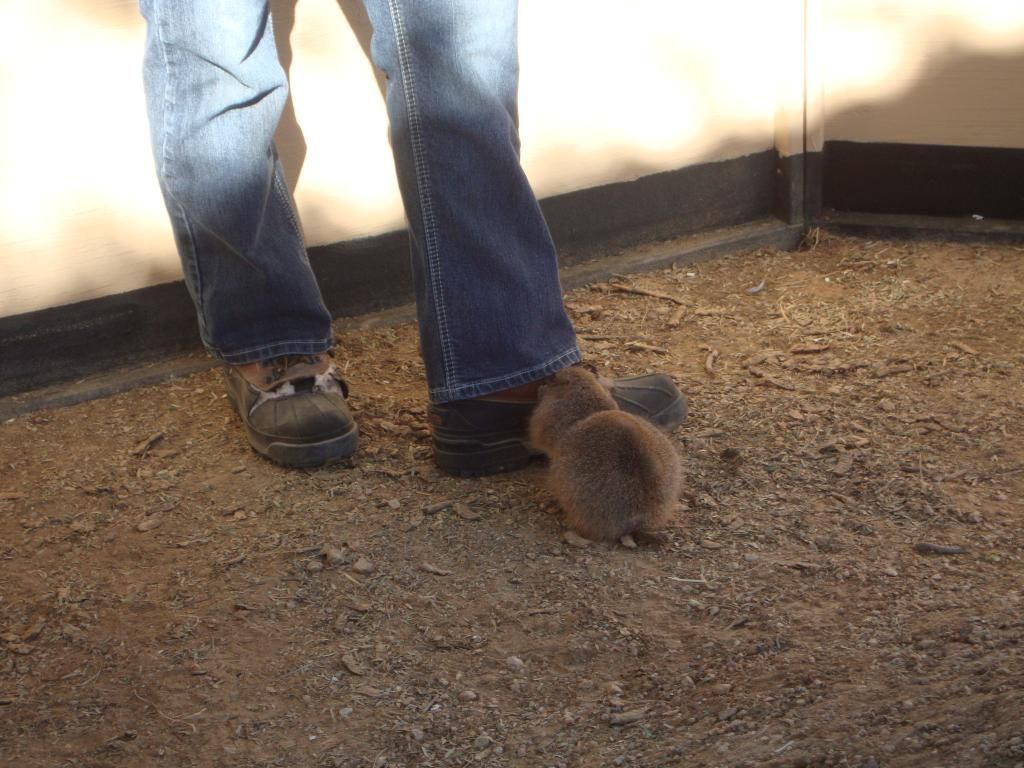


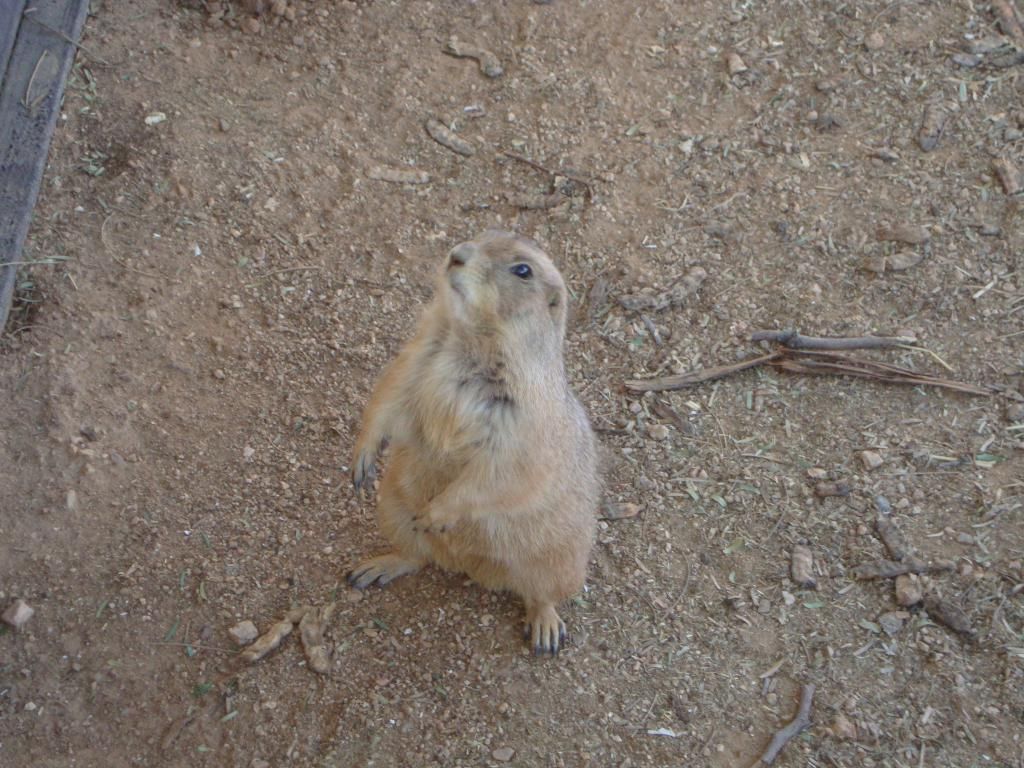
This is a Black-tailed Prairie Dog.  He was chewing on the handler's shoe.


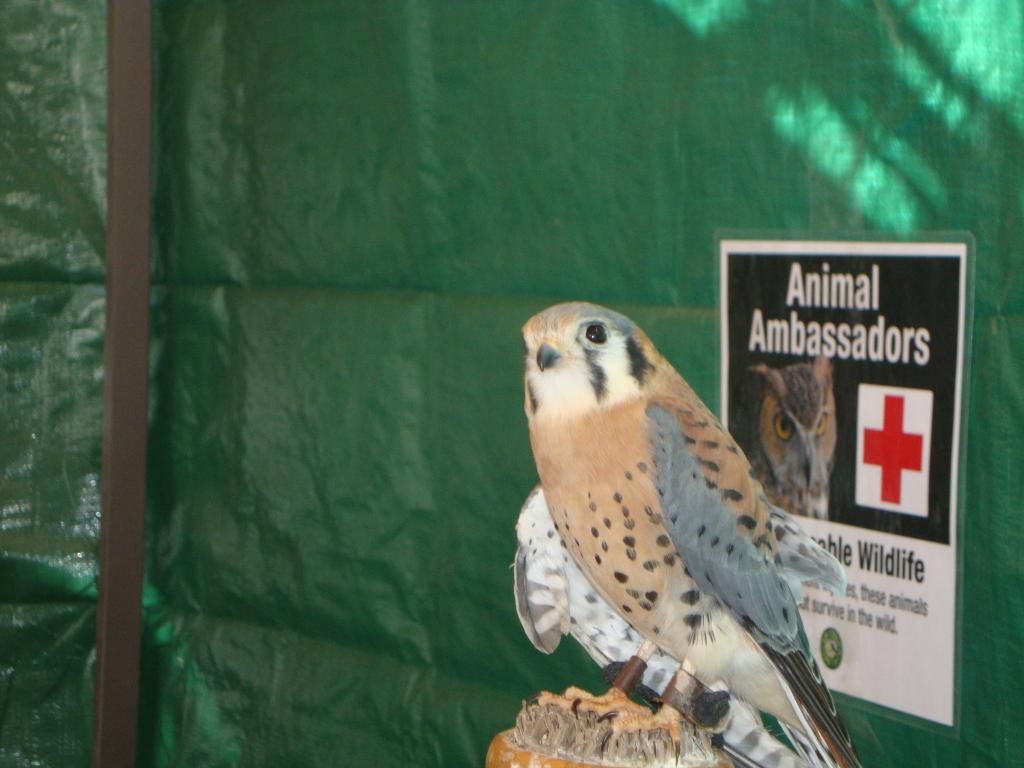
This is an American Kestral Falcon.
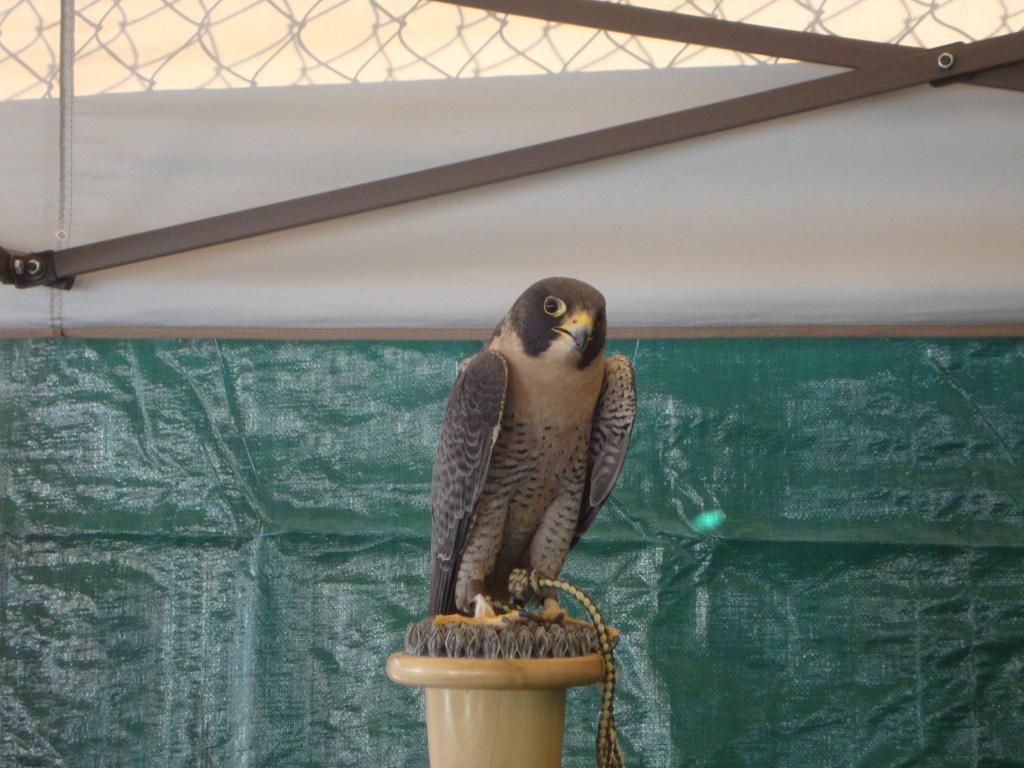

Another American Kestral Falcon.  He's got a really cute look on his face in this photo.
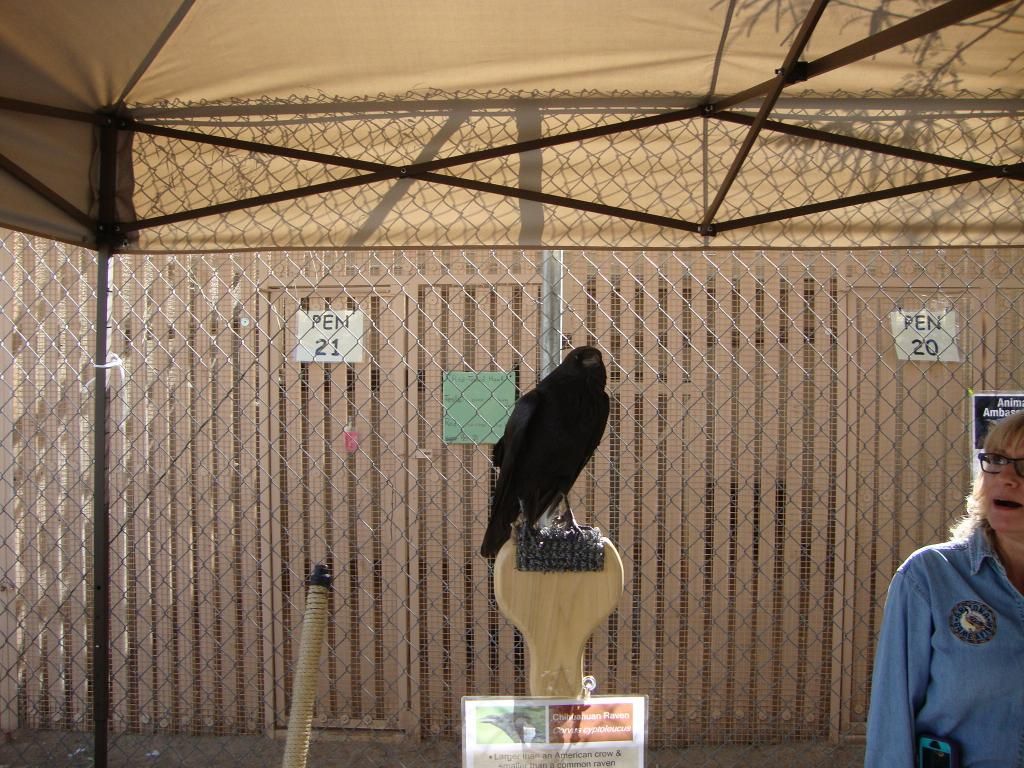

This is a Common Raven.  This particular bird is actually very intelligent.
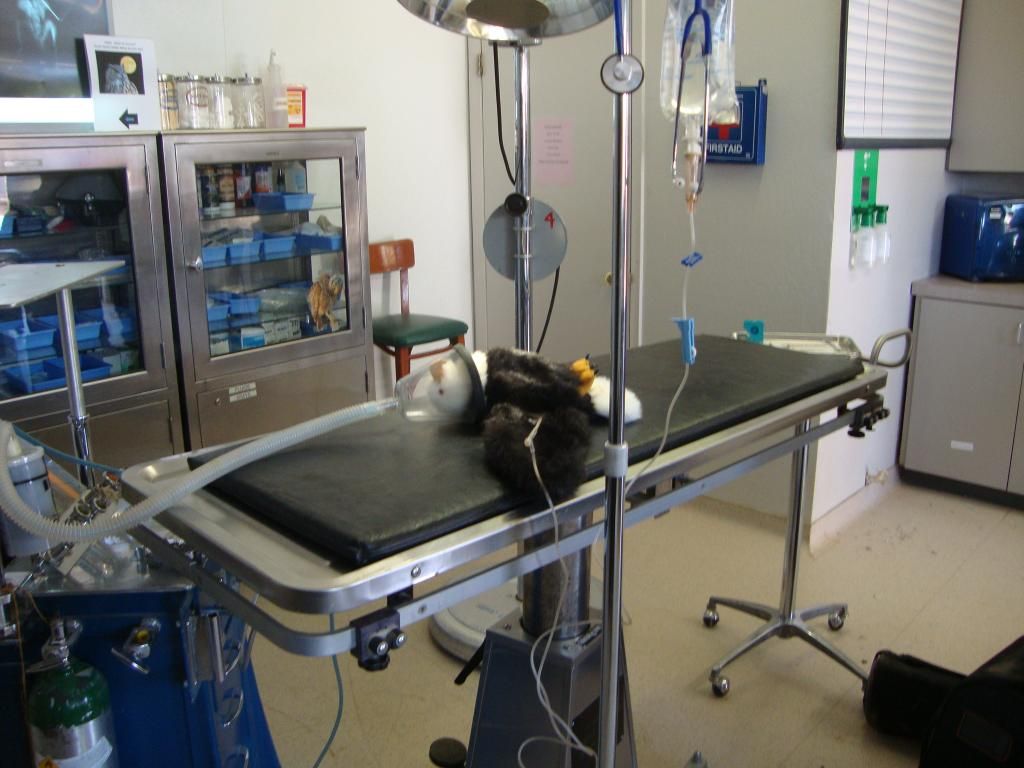


This is a picture of the hospital, where surgeries are performed, among other things, while rehabilitating and caring for the animals.  


Saturday, July 12, 2014

Spur Cross Conservation Area - Part 9 - Fruits of the Desert


At the time I went on this hike I had been wanting to hike it for quite some time and although I was having a bit of a rough time at the end of it due to the heat, I’m so glad I went.  I tasted a lot of different “desert foods” and even harvested my own fruit from a Saguaro using a tool much like the ones the Hohokams of this area used long ago. 

It was a small group that I hiked with which was actually good given the nature of the hike, and we saw so many interesting things, including a glimpse of a rattler. 

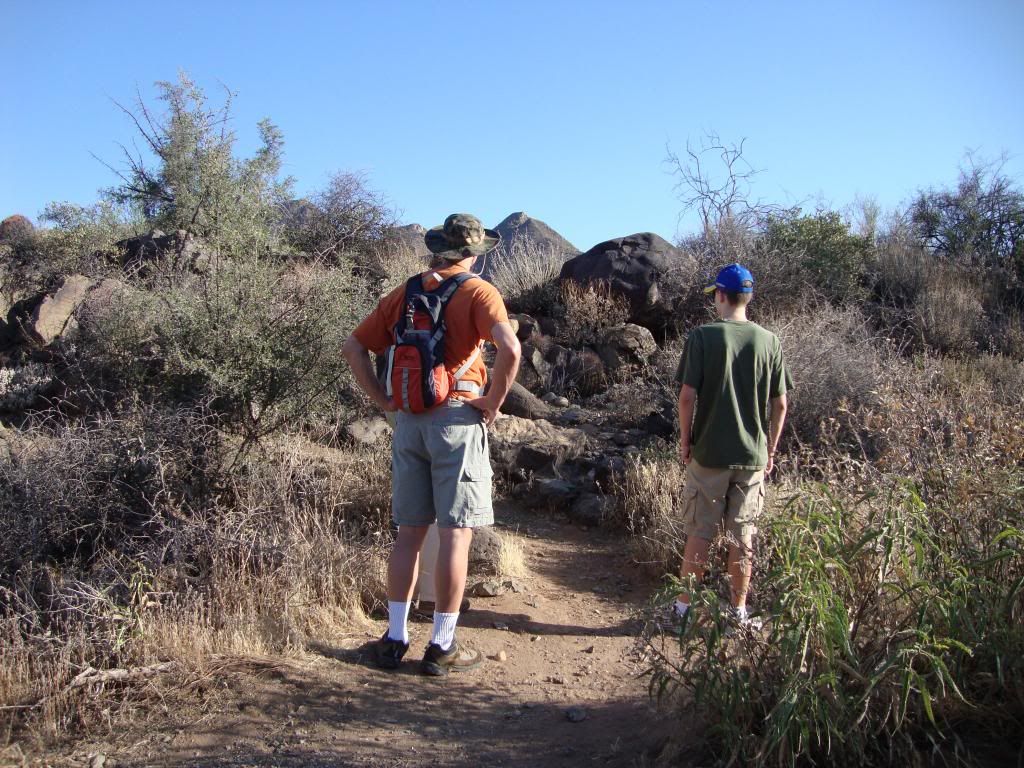
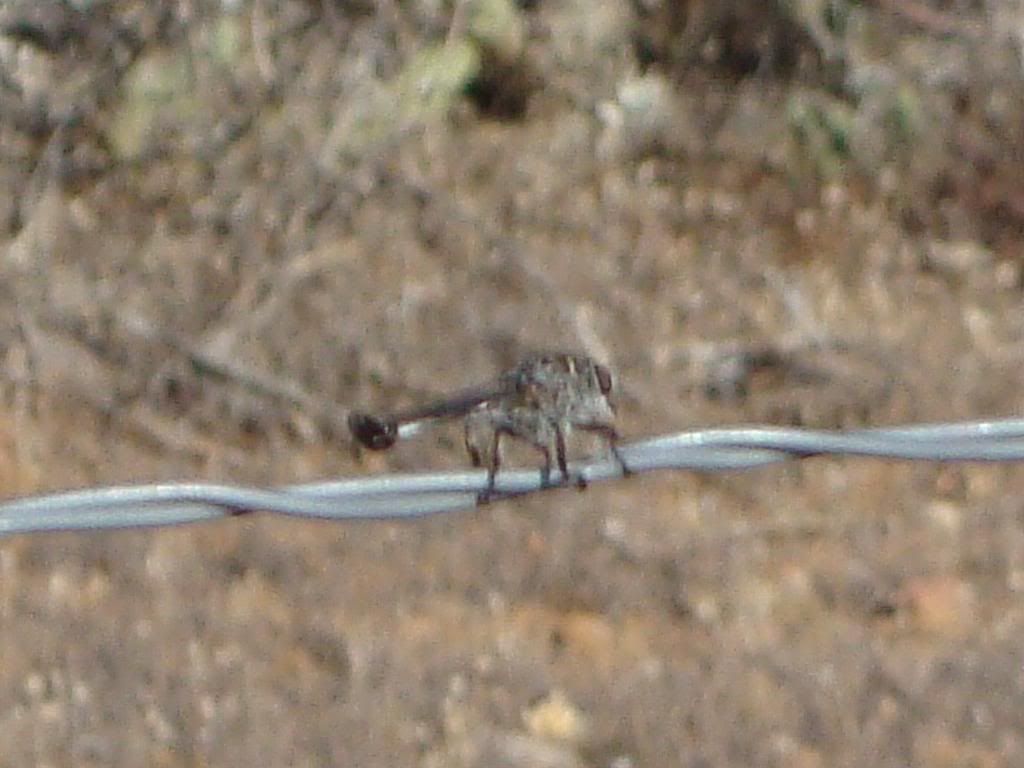
We began by going down the old Spur Cross Road which, I believe, was once a stagecoach path, where we saw a jojoba plant.  It is the female jojoba plant that produces fruit, and they taste a bit like a strong, bitter coffee.  In fact, the seeds can be ground into a powder to produce a coffee-like drink.  It was around here that we also saw an odd looking fly sitting on the barbed-wire fence.  I would learn on a later hike that they make a sound not unlike a bunch of people talking in the distance.  We would see another one later on in the hike.

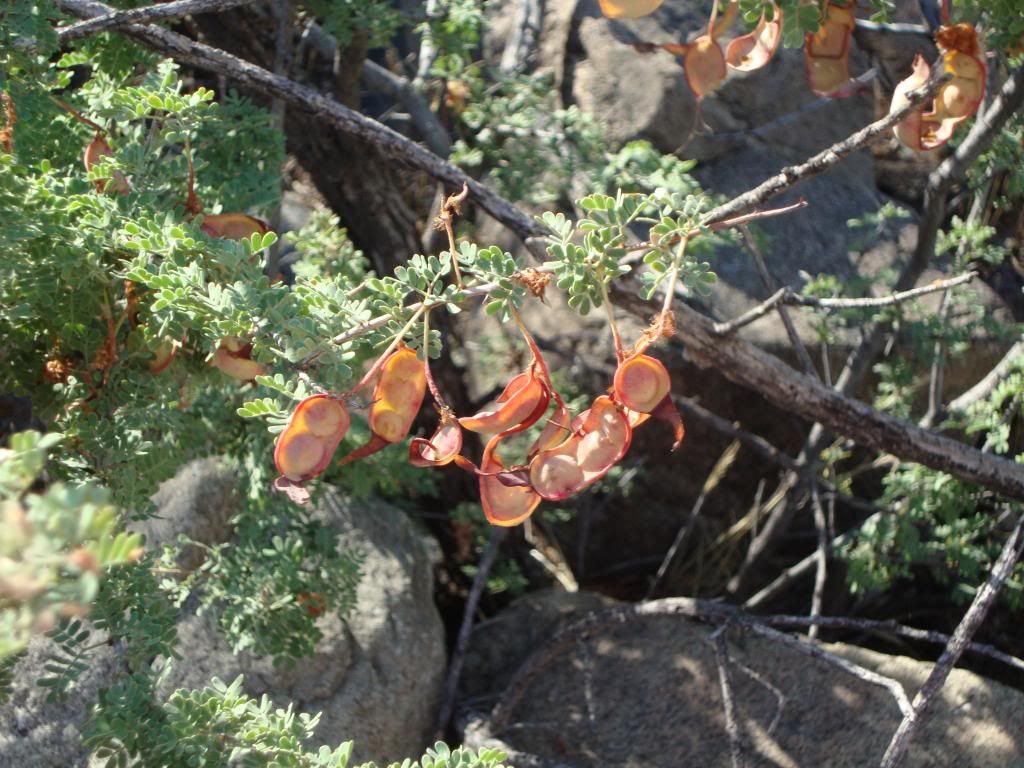
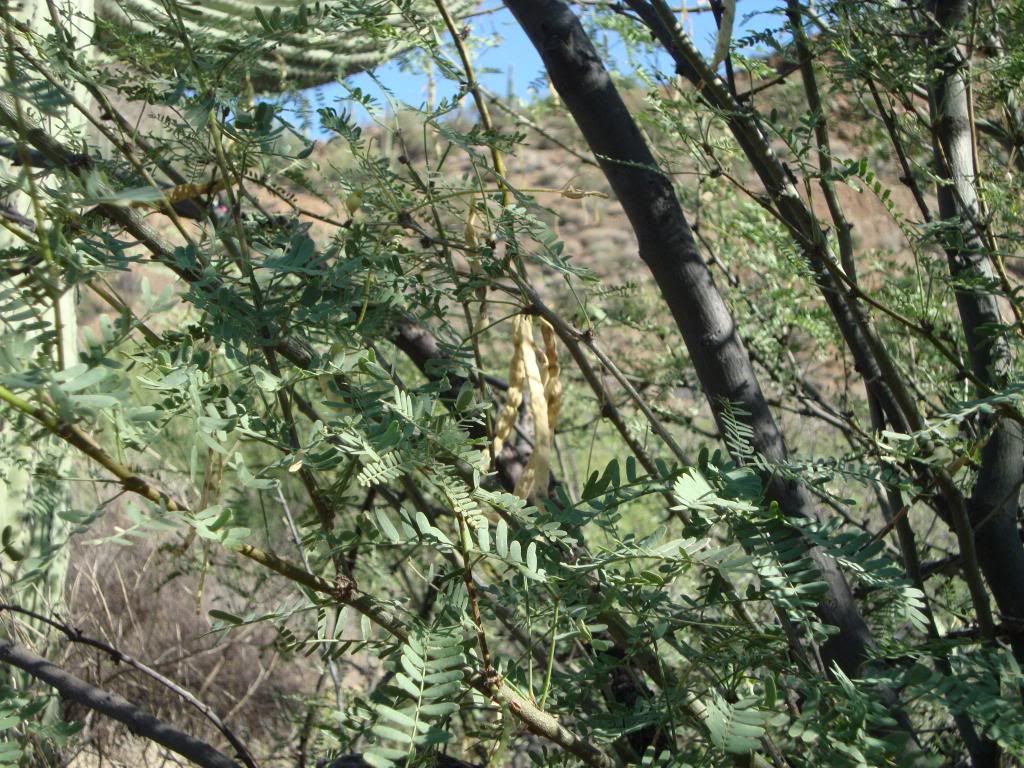
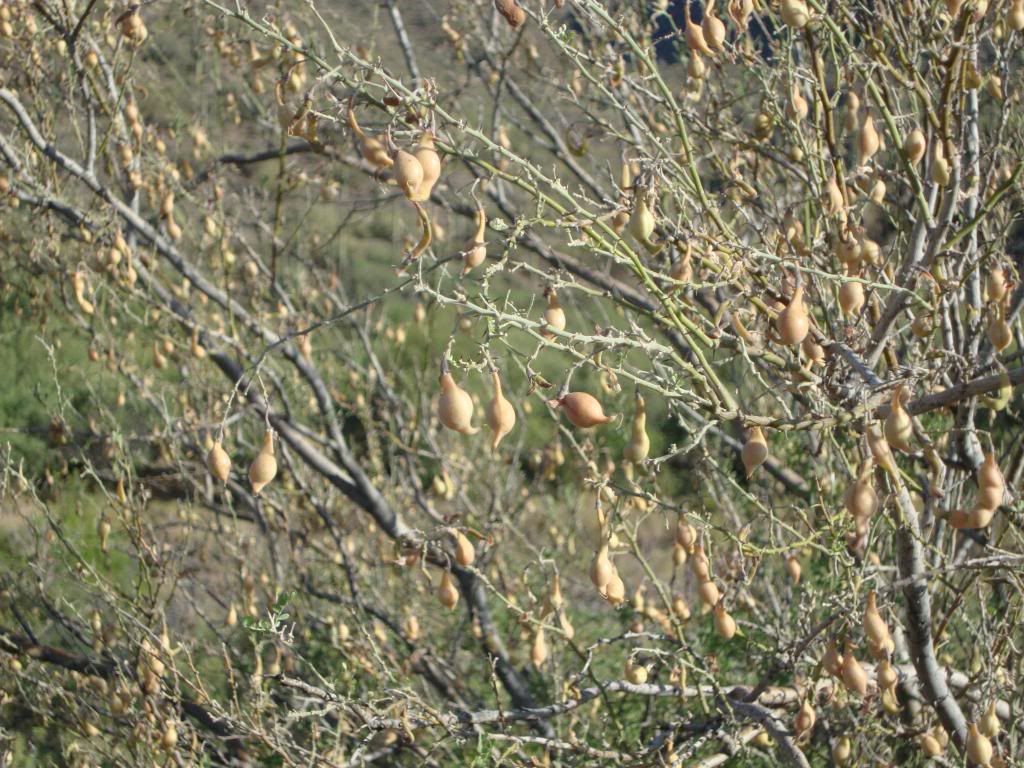
I believe it was also here that we saw a rattler.  One of the hikers in our group saw it off to the right of the trail, but the rest of us only got a glimpse of it as it went into the brush.  Next, we came to what I believe was an Ironwood tree, which is found only in the Sonoran desert.  The two-inch pods contain one to four seeds, and are eaten by many animals.  The seeds had a nutty, pea-like taste. 
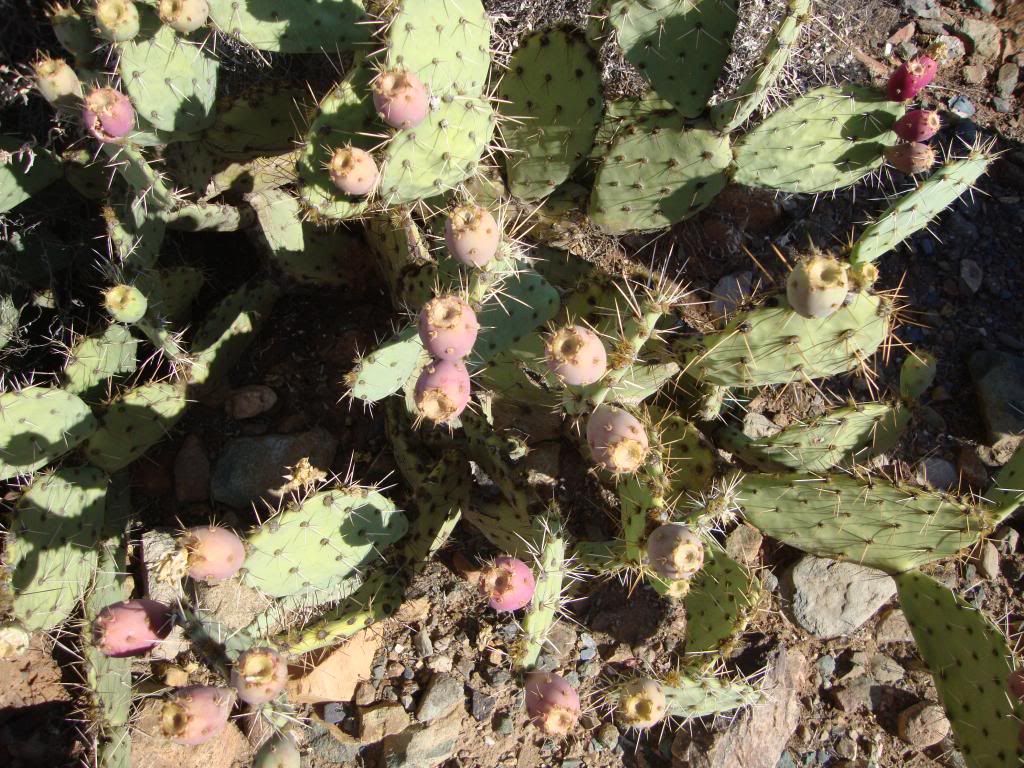
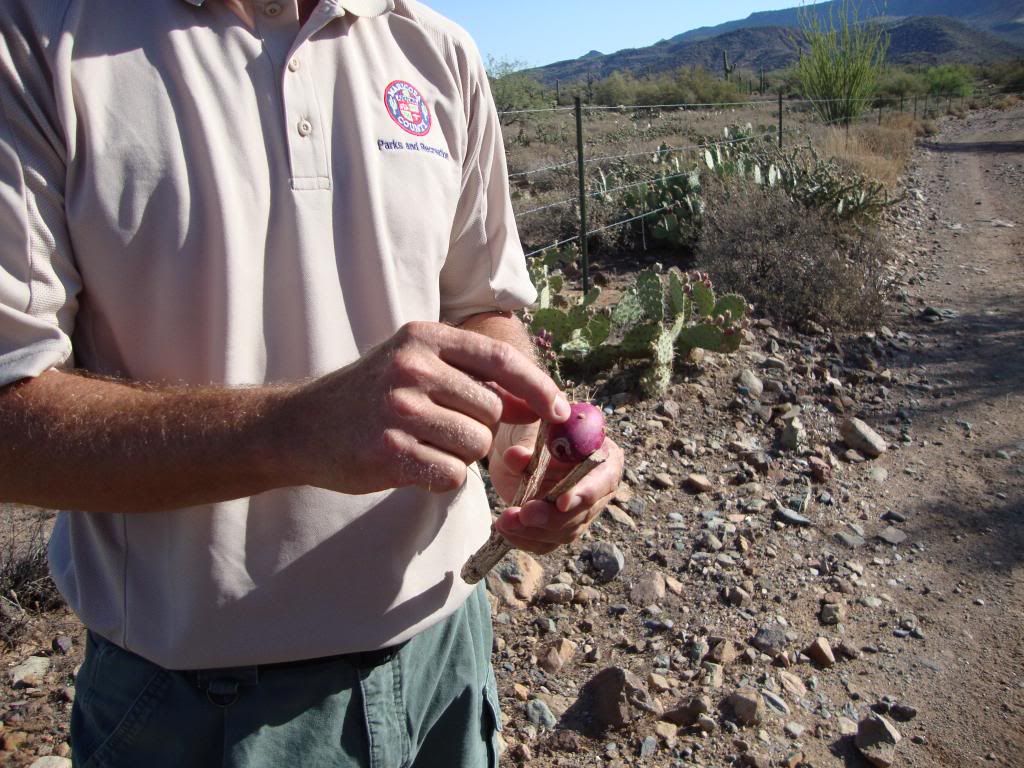
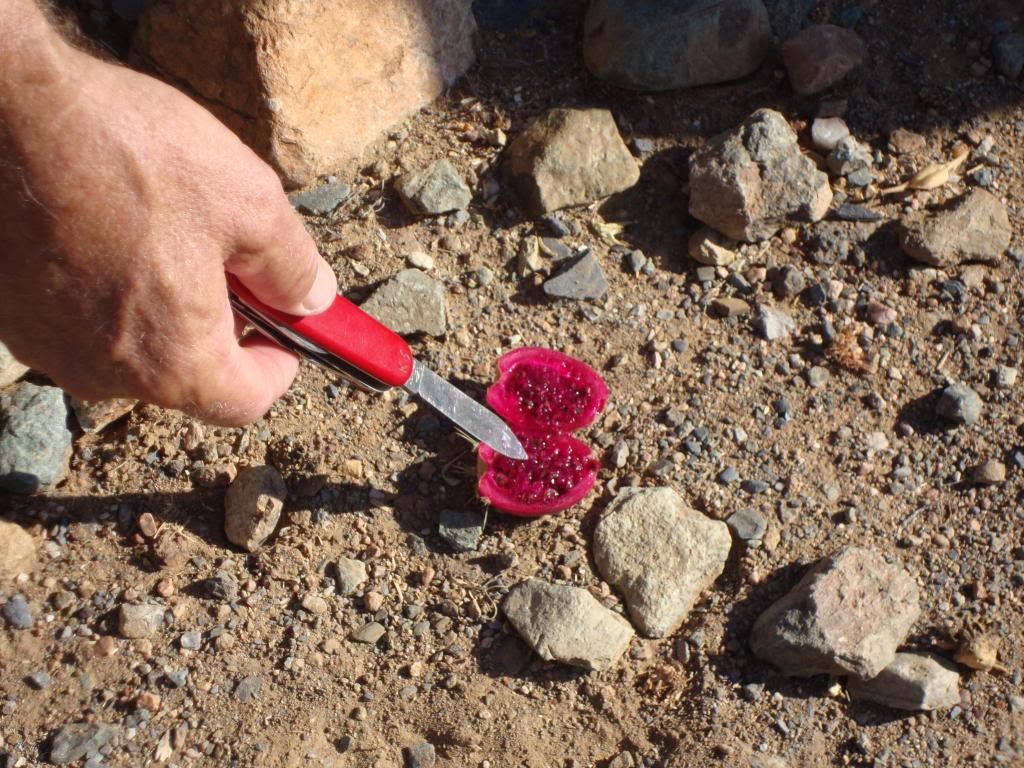
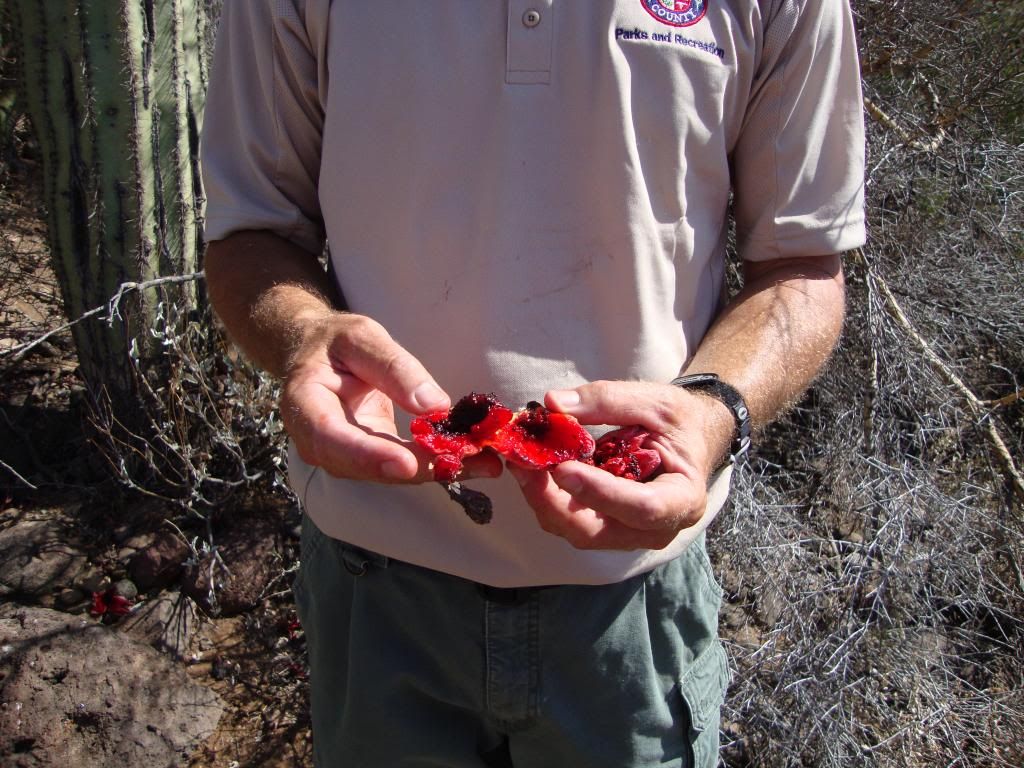
A little further down the trail we came to a prickly pear cactus, which are found in all of the deserts of the Southwest.  The prickly pear cactus is used to make everything from juices to candy to jellies.  Ranger Kevin cut one of the fruits open for us and you can see a good shot of it in one of the photographs below. 

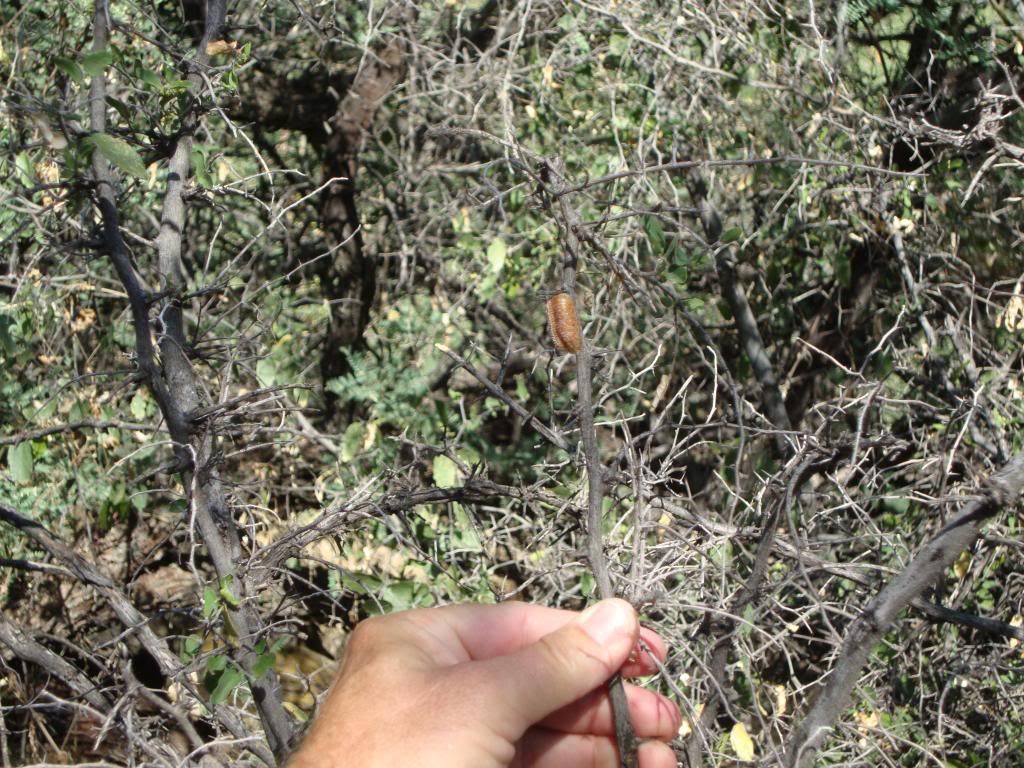
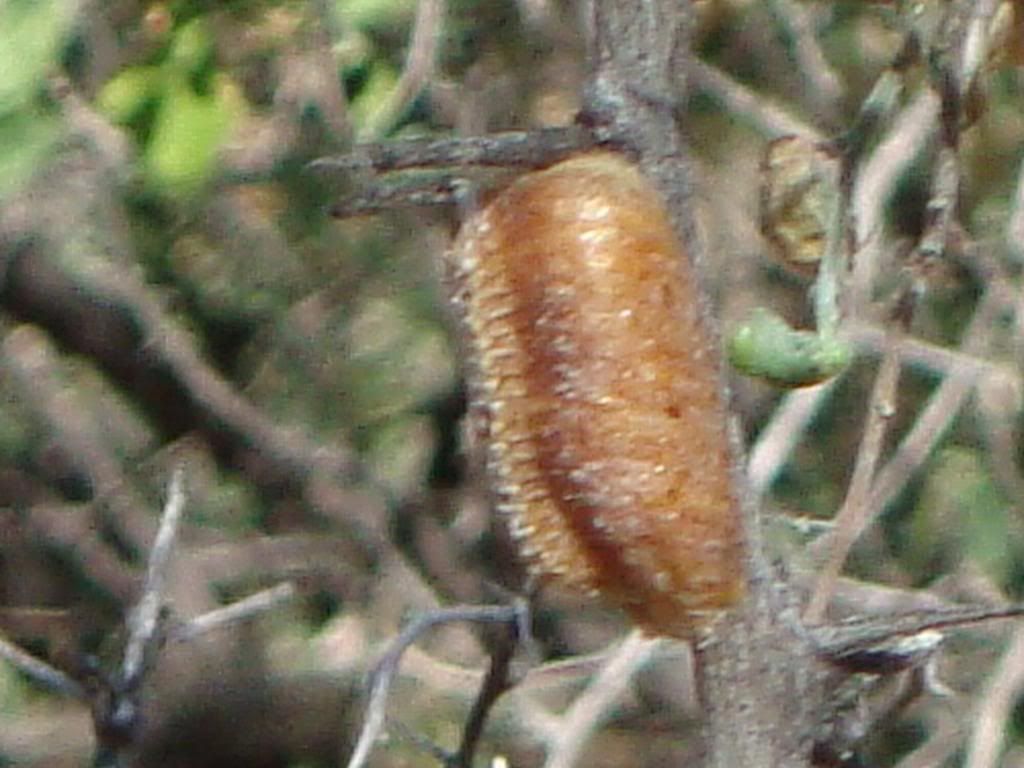
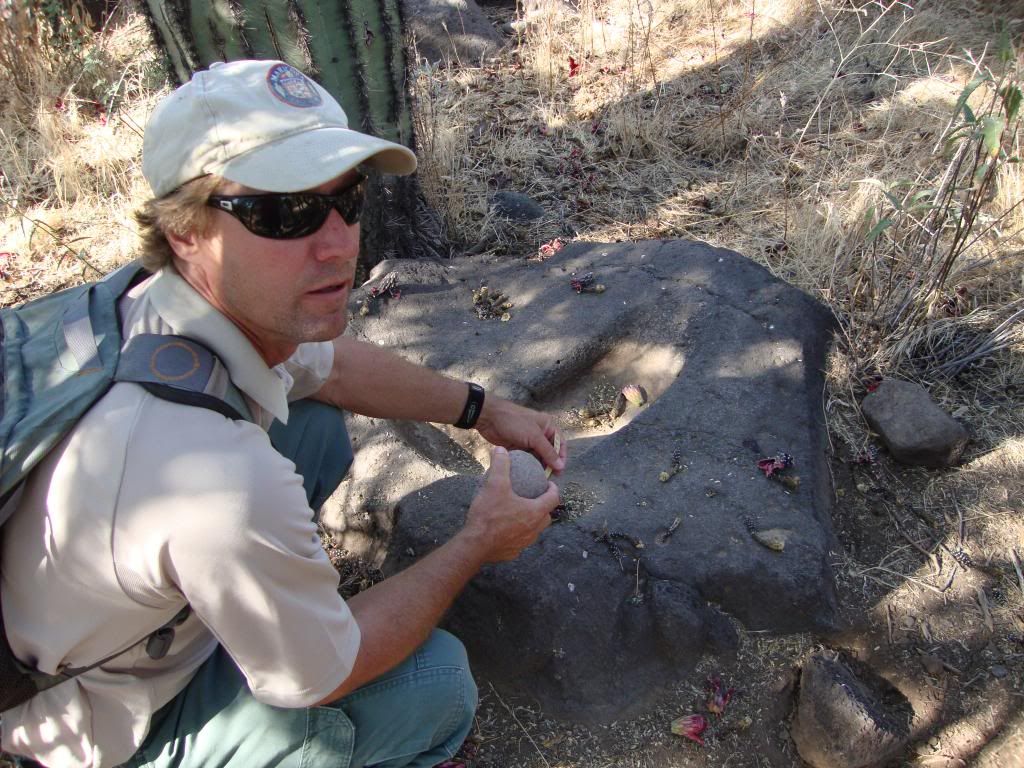
We soon came to a metate, which was used over 1,000 years ago to grind grain and seeds.  We were now on the Metate Trail, and I’ve seen this particular metate a number of times before while hiking out here.  We also saw something really interesting here, something I had never seen before.  It was a praying mantis egg case, which will hatch 100 – 200 tiny mantises, all at once. 

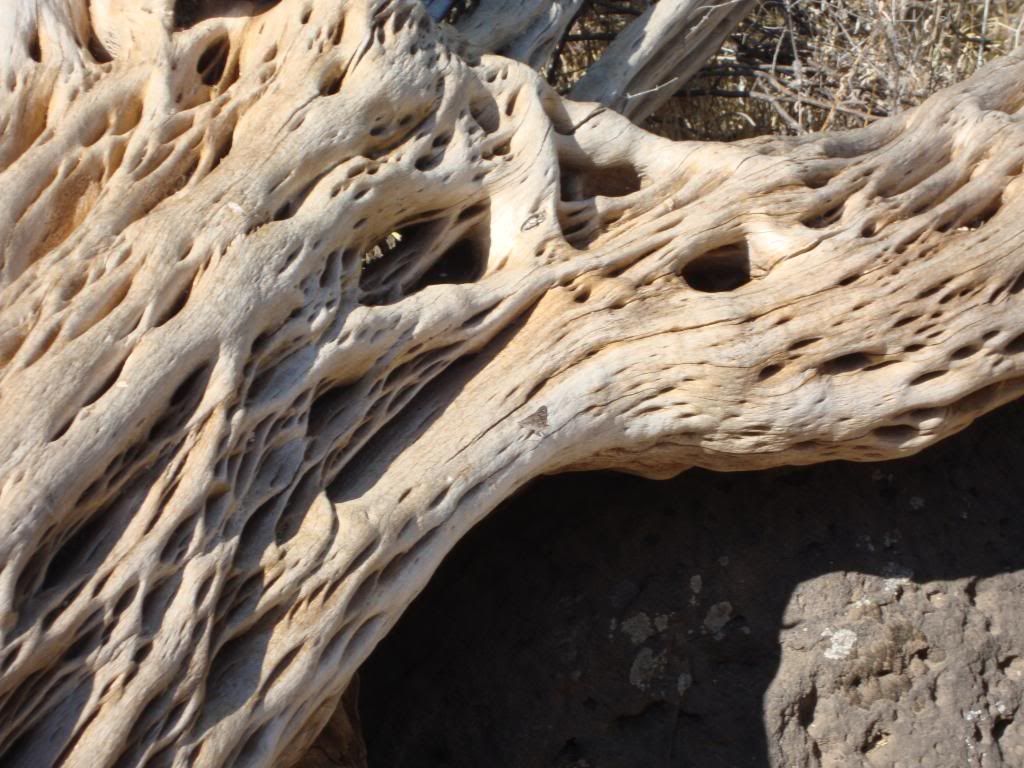
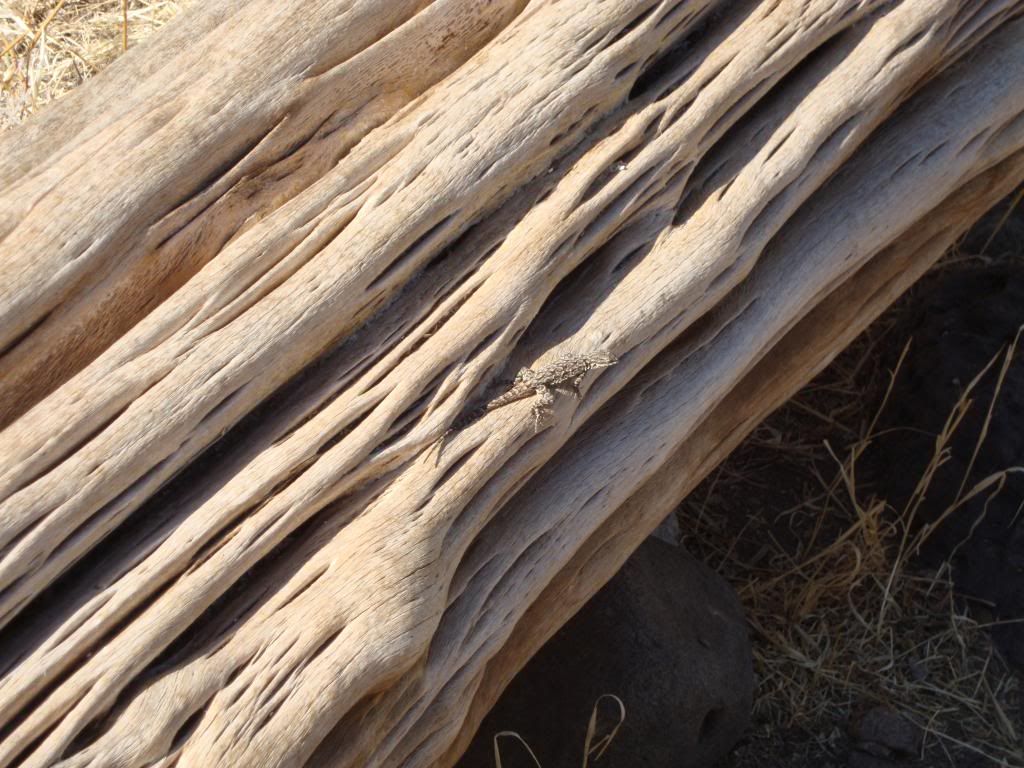
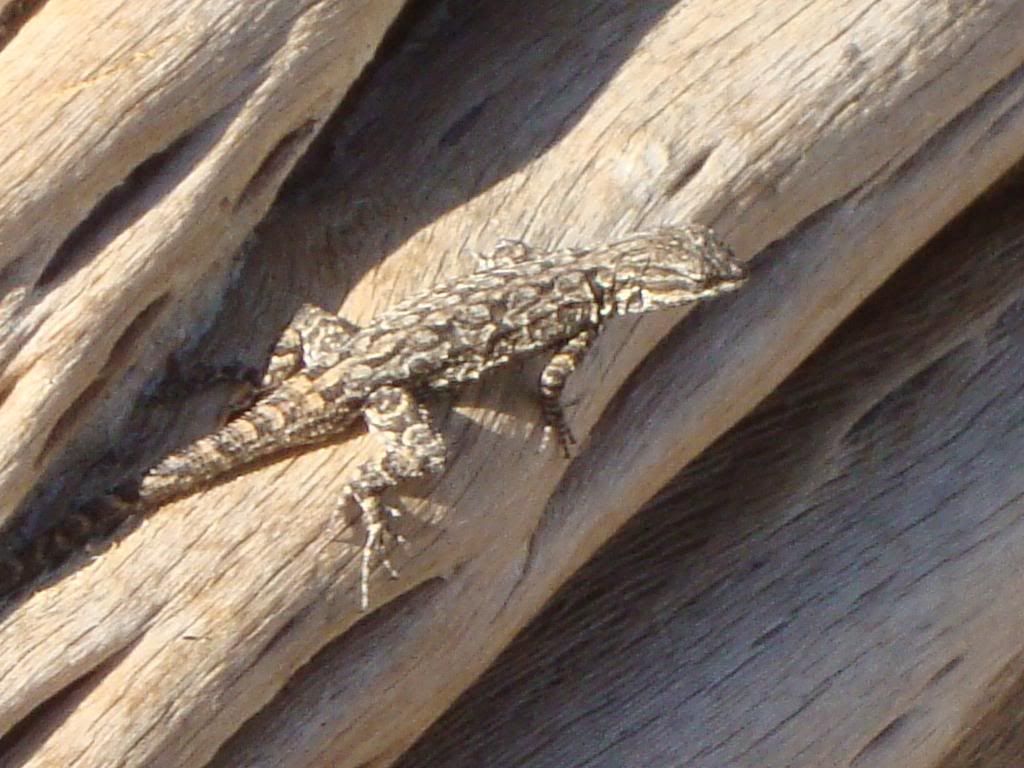
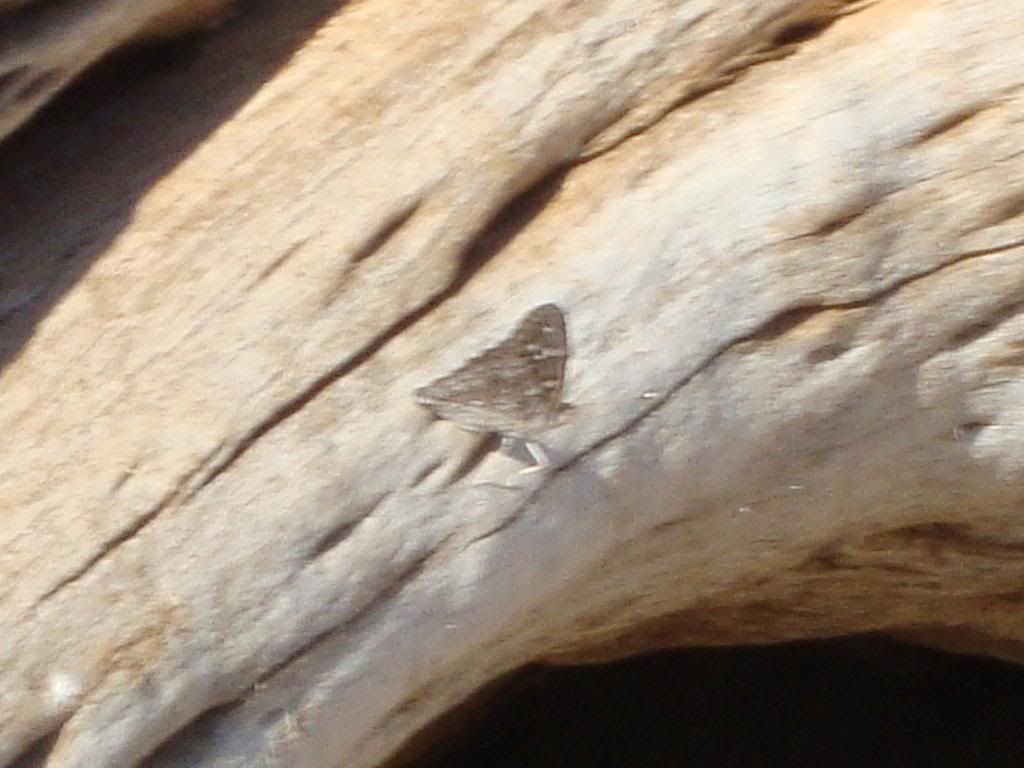
In the Spur Cross Conservation area one can see the inside of a very large cactus lying on its side.  The wood is completely exposed.  When we came to it, we saw a lizard on one end of it, and a butterfly on the other.  We watched for awhile, and although it looked as though the lizard was going to make a meal of the butterfly, I’m happy to say the butterfly eventually flew away. 

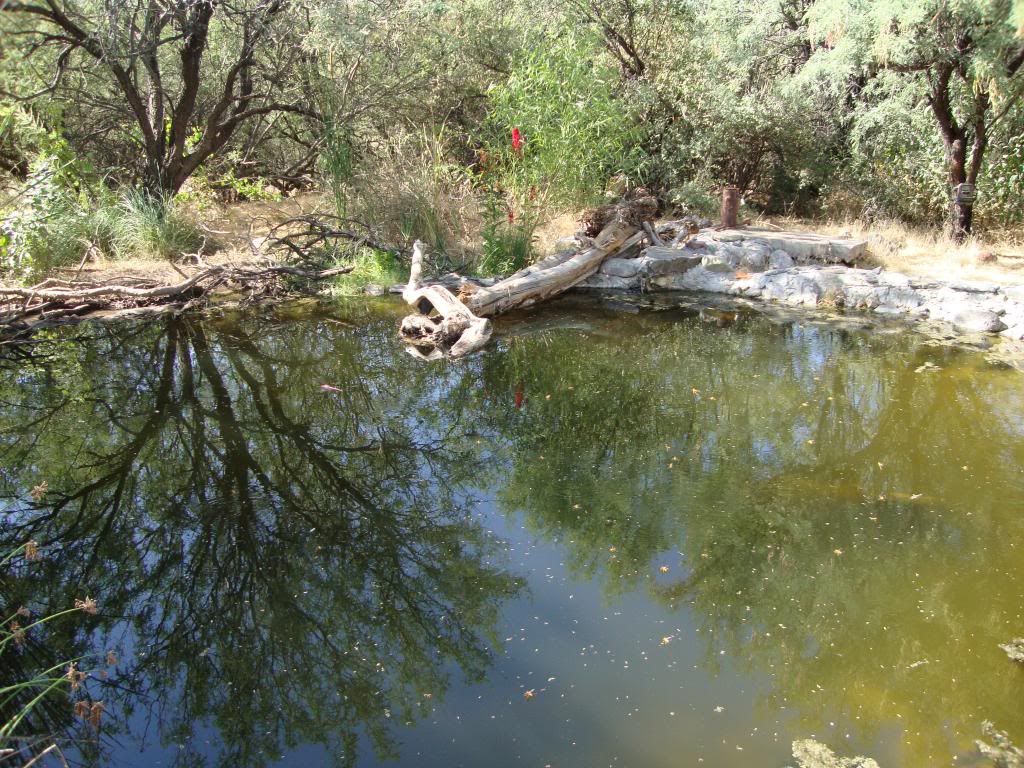
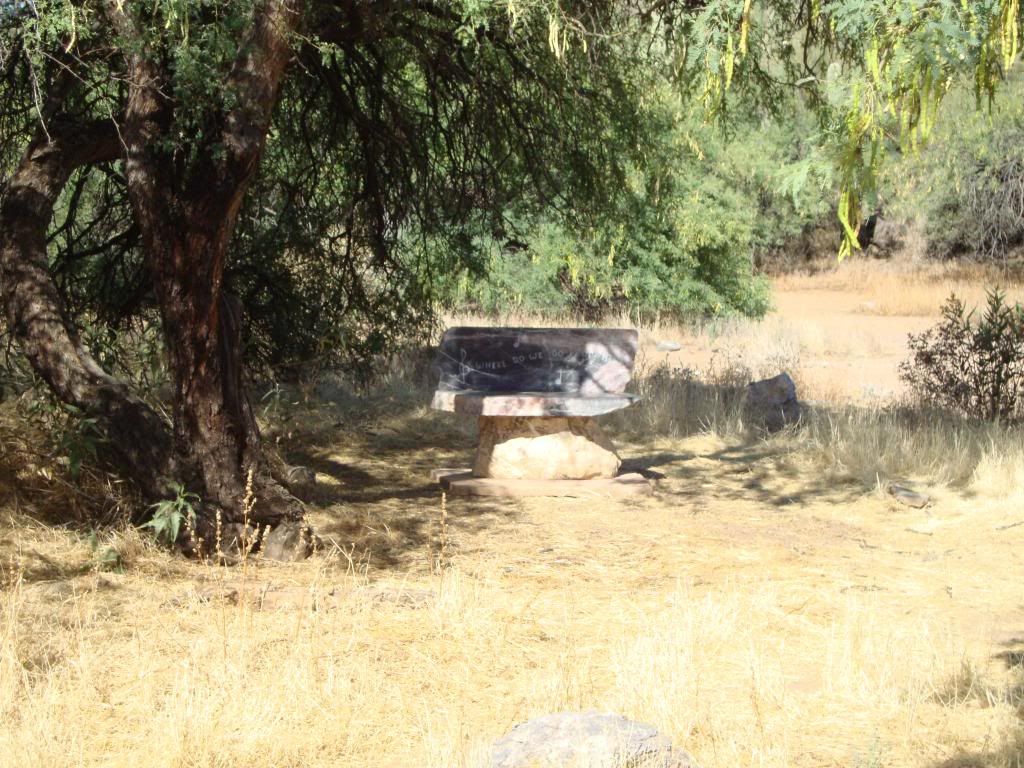
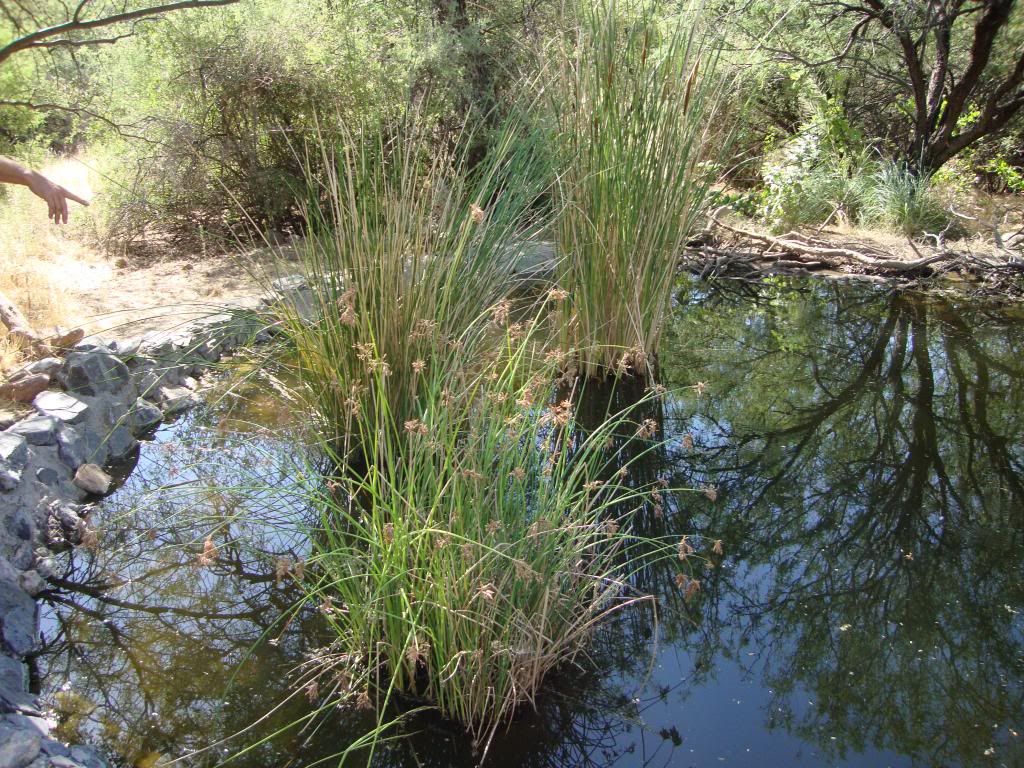
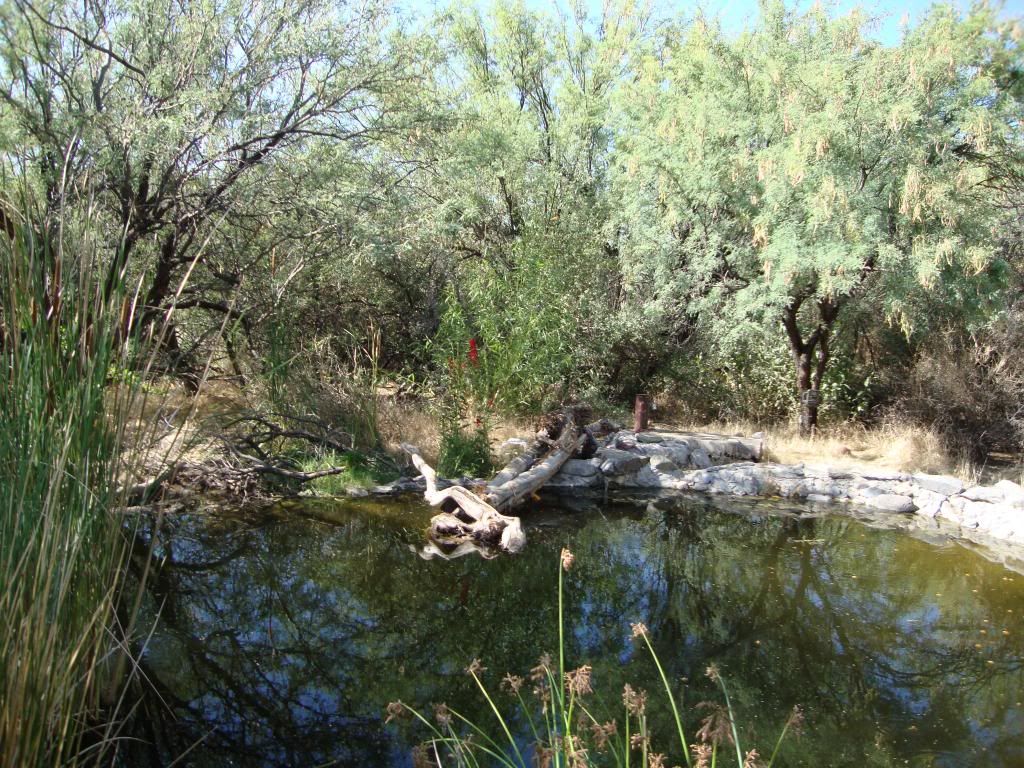
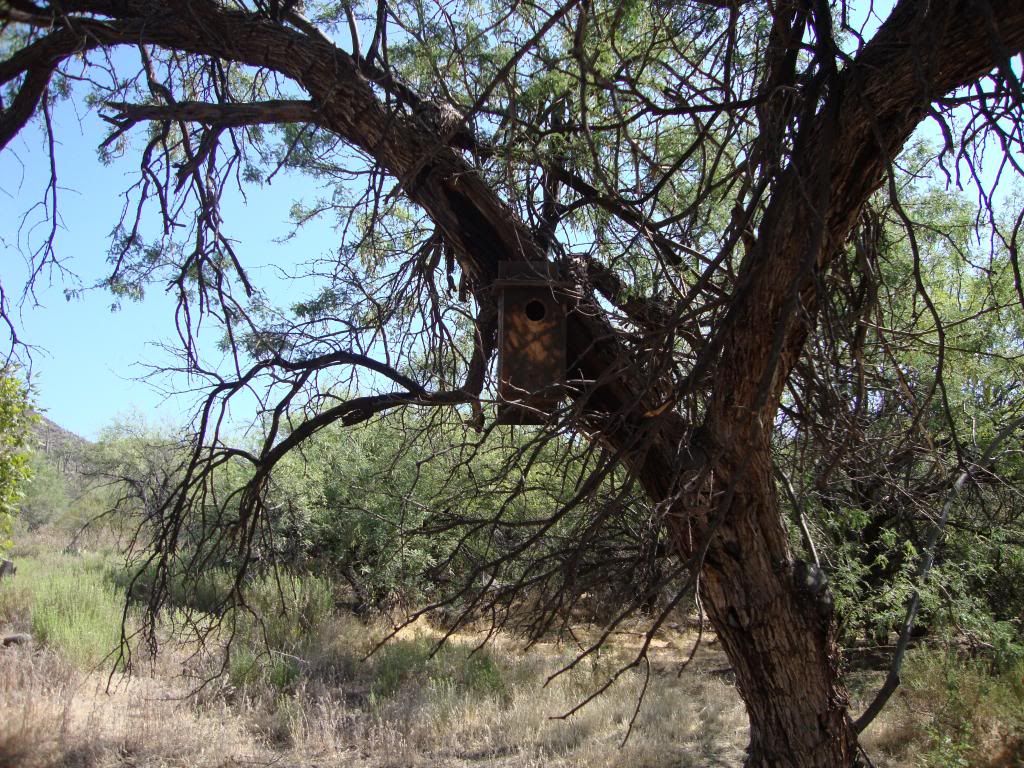
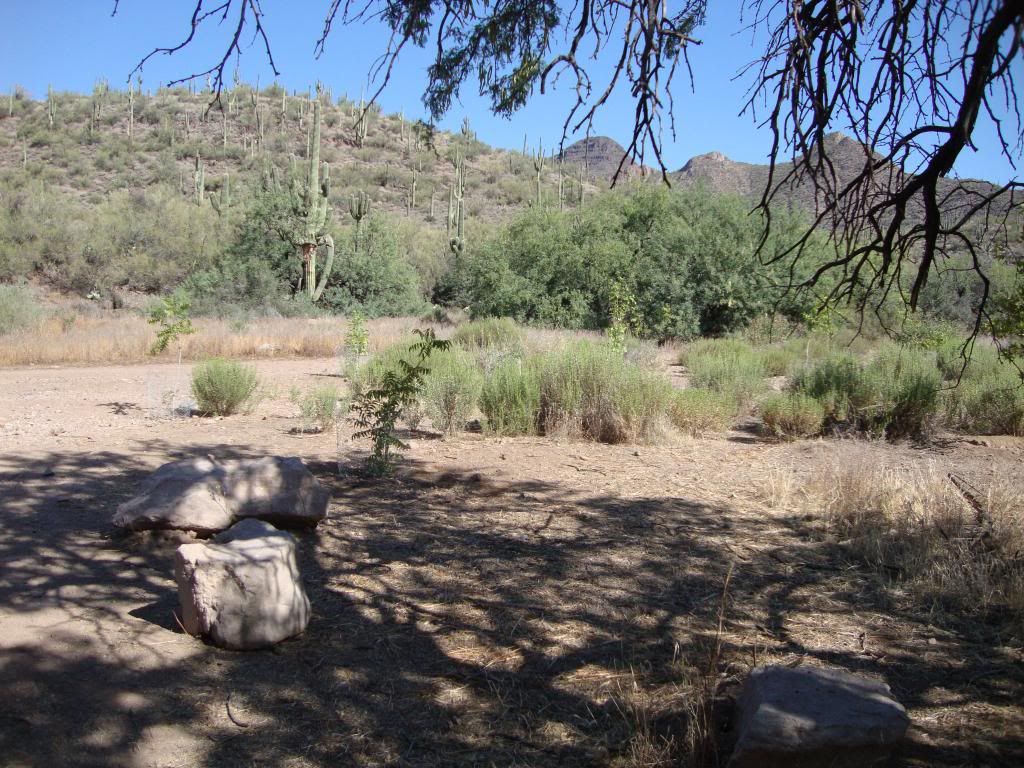
We then came to a man-made pond in a beautiful area of the conservation area.  It’s a very tranquil area, and a wonderful place in which to see wildlife.  There is a camera attached to one of the trees in this area, and on another hike out here Ranger Kevin showed us some pictures of the wildlife that come to this area at night.  There’s also a bench out there on which one can sit while enjoying this amazing area. 

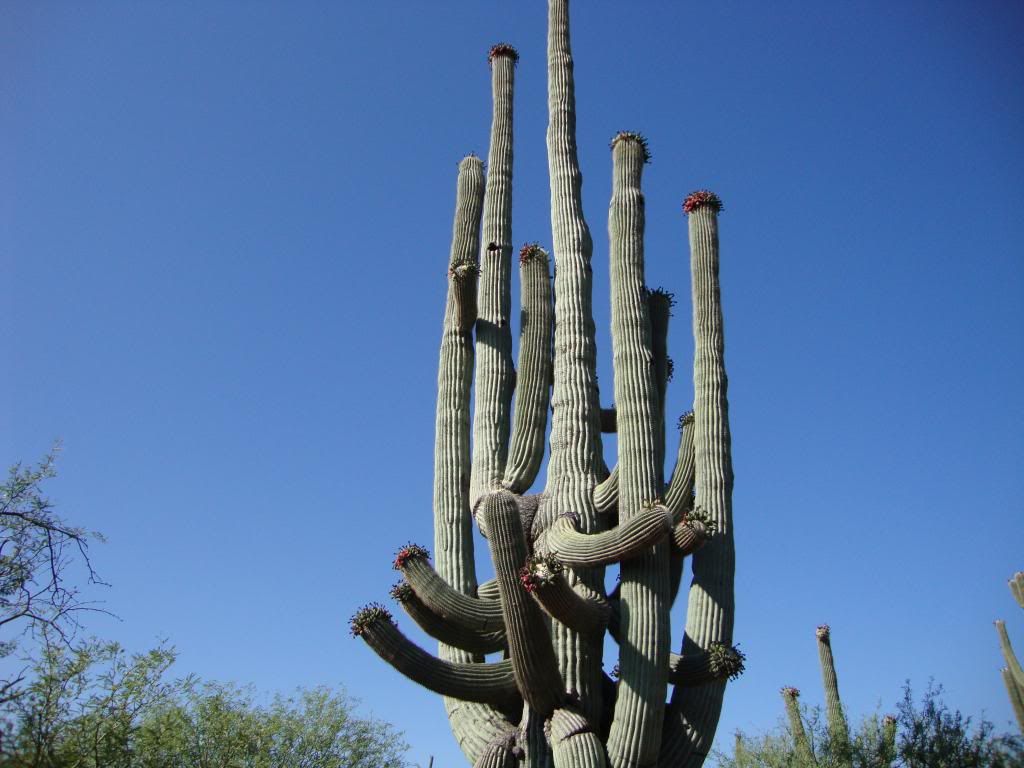
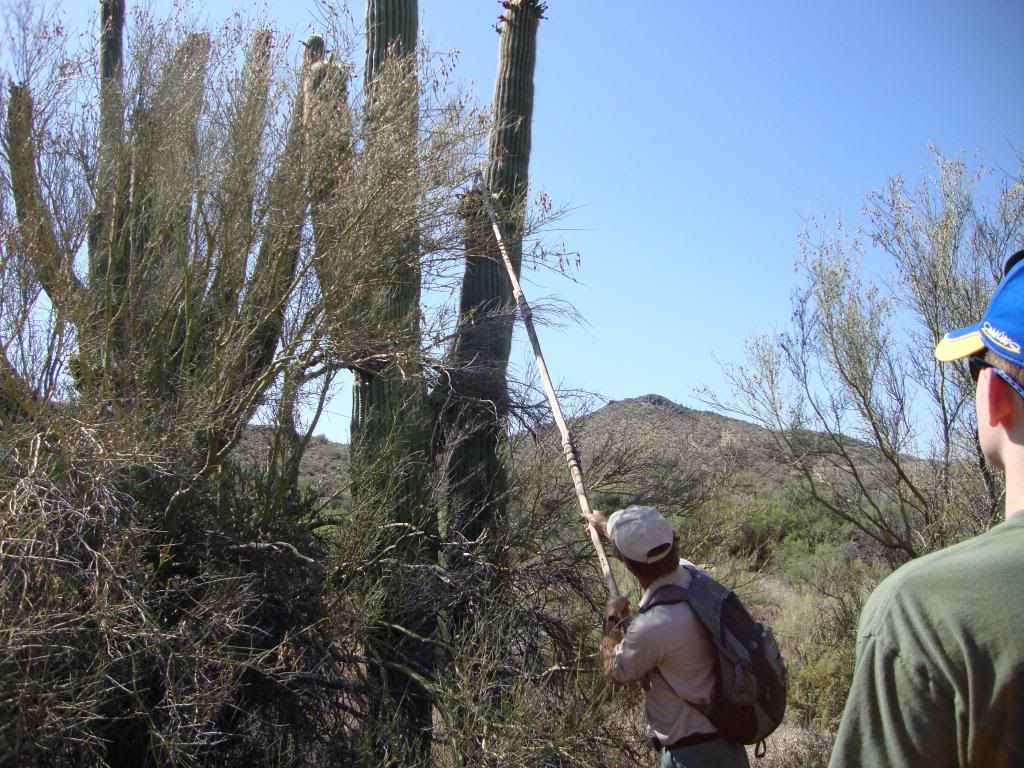
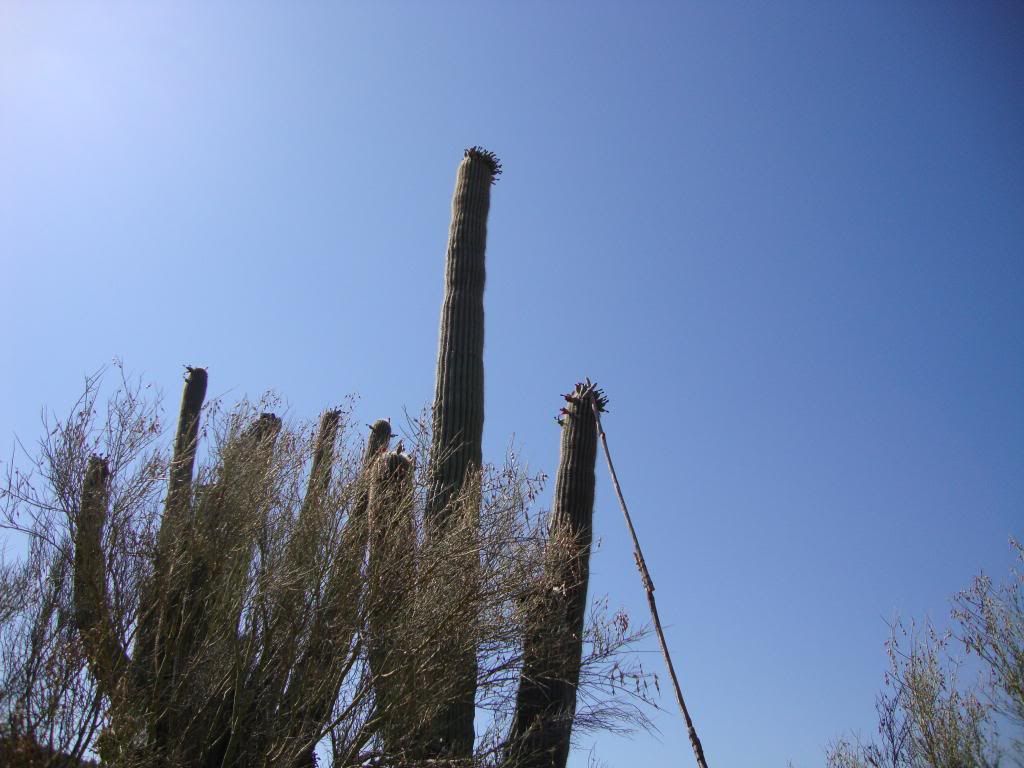
Toward the end of the hike is when we got the opportunity to harvest our own fruit from the Saguaro cactus.  The Hohokam would put together a pole of sorts which they would use to pull the fruit down from the cactus, and Kevin had made one similar to the ones the Hohokam used.  The Hohokam’s made the poles so that they could either pull the fruit down from the top, or poke it underneath until it fell.  I was able to pull a fruit down and taste it on the hike as well as bring one home for later.  Needless to say, this was an amazing hike!  

 I think this is where we saw some petroglyphs off the trail. 


I believe this is the Jojoba Plant.


It's a little tough to see, but this is that odd-looking fly sitting on the barbed-wire fence.


Ranger Kevin


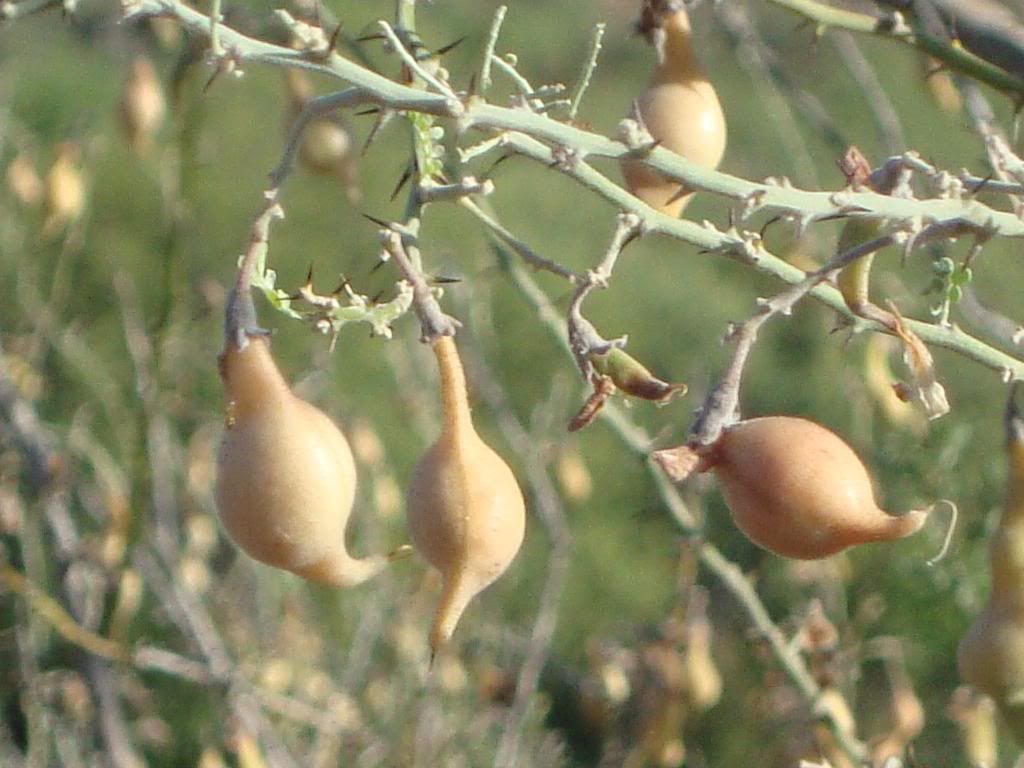
I believe these are the seeds of the Ironwood Tree.


Prickly Pear Cactus


This is the fruit of the Prickly Pear Cactus.


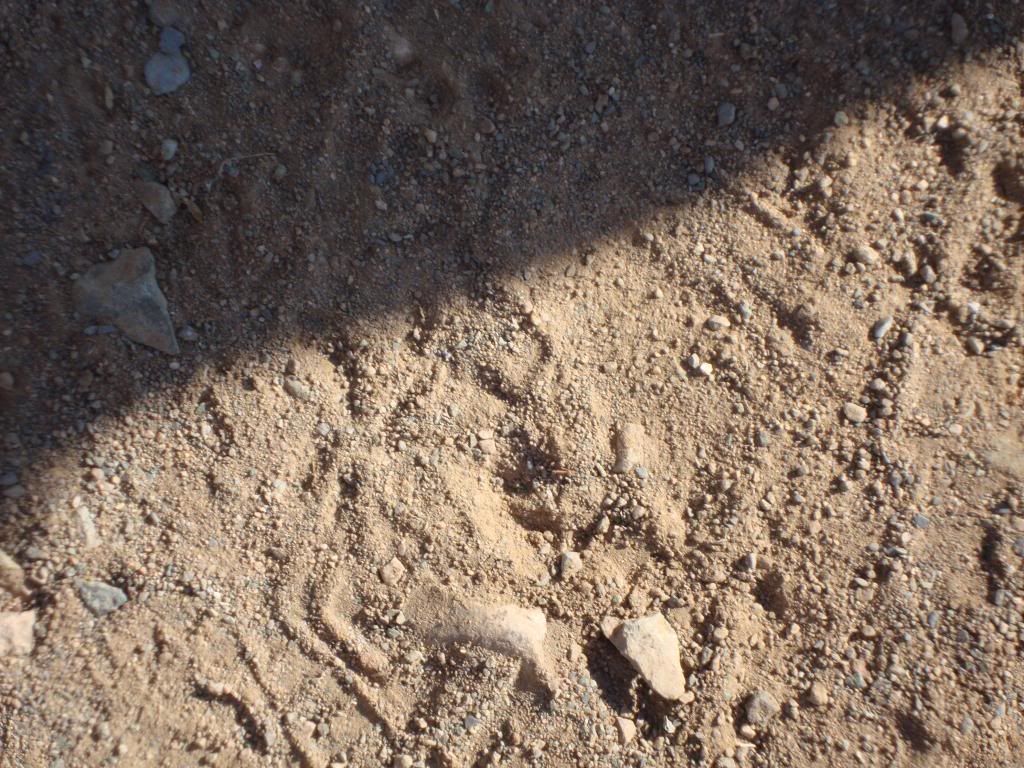
Prints that an animal left behind.


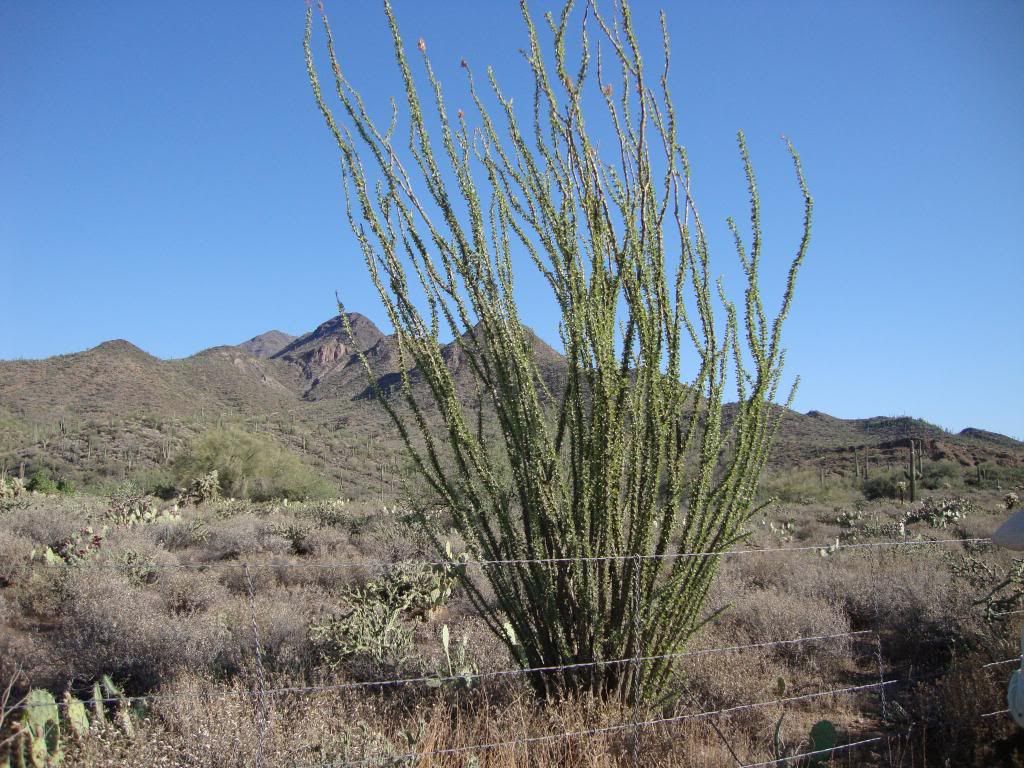
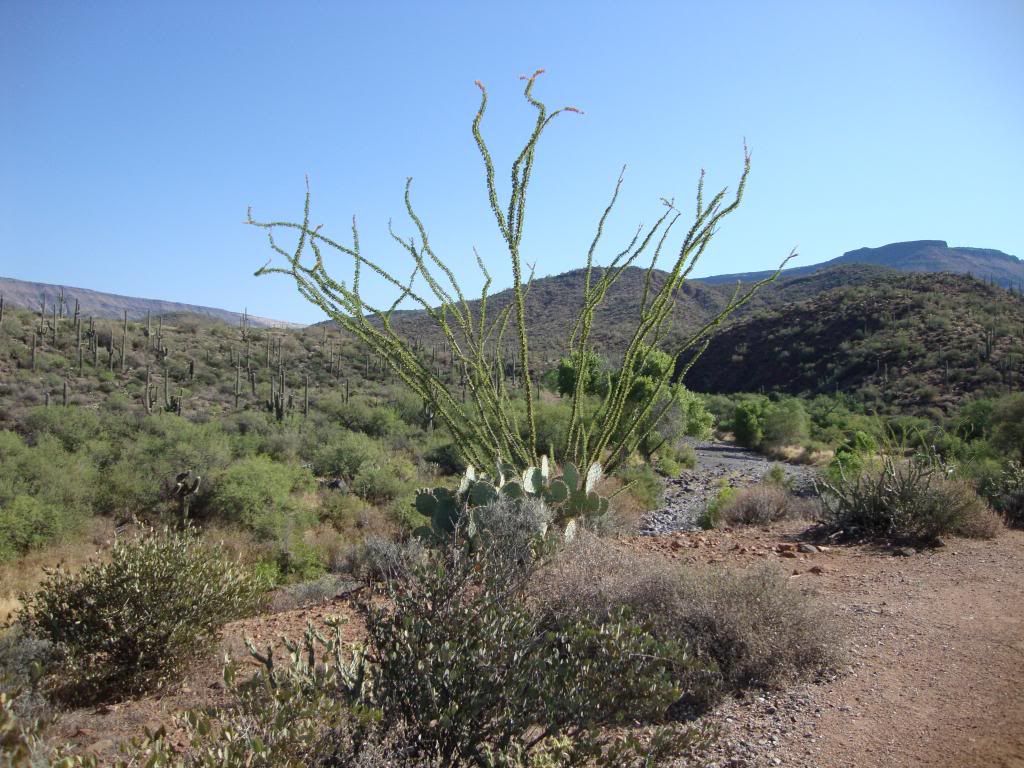
Ocotillo Cactus


Some of the cactus out here are huge.


The praying mantis egg case.


This is the praying mantis egg case up close.  *shudder*

This is a metate, which was used to grind grain and seeds.


The wood of a very large cactus.


He's tough to see in this picture, but there's a little lizard sitting on the cactus wood.  It's so interesting how well all these little creatures blend into their surroundings.  Isn't nature amazing?


This is a close up of the little guy in the previous picture.


This is a picture of a butterfly sitting on the cactus wood.


This is the man-made pond.  The following six pictures are of the same area.


Ranger Kevin pulling fruit down from a Saguaro.


Fruit from the Saguaro.